
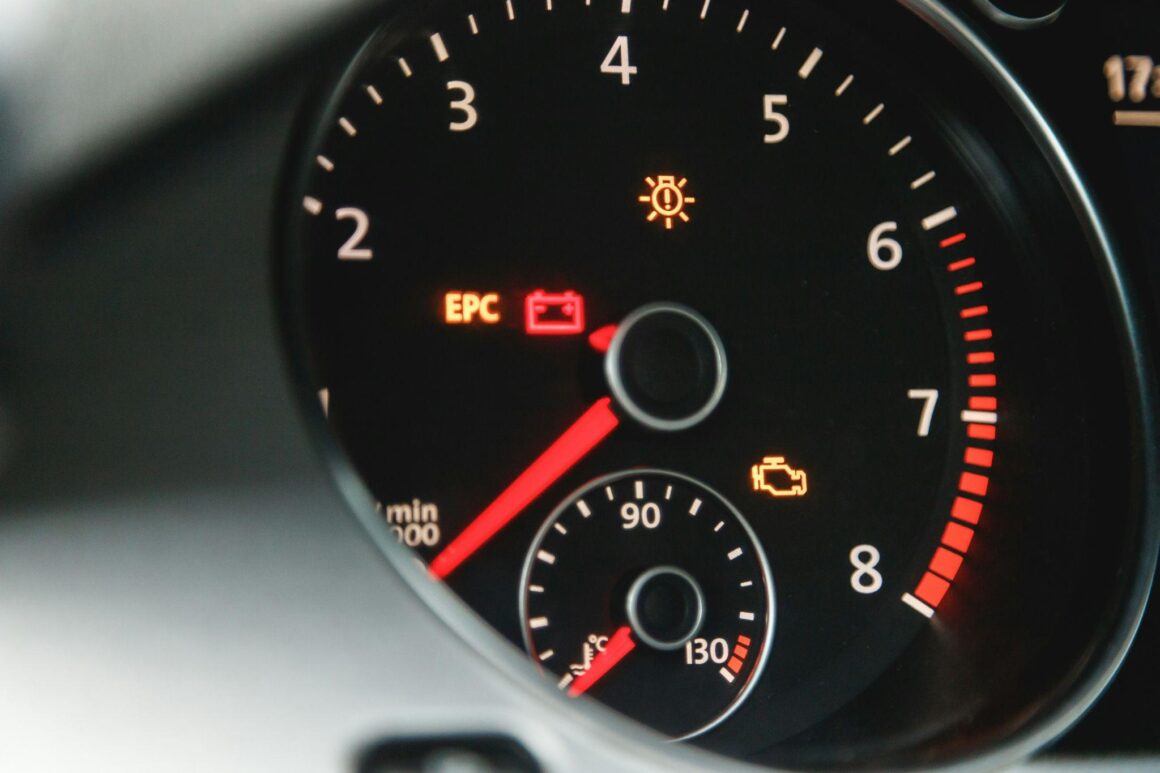
There is a very specific kind of dread that comes with an unfamiliar symbol lighting up on the dashboard mid drive. For a lot of new drivers, the instinct is to assume the worst, pull over immediately, and start imagining a very expensive repair bill. Most of the time, that reaction is not necessary.
Dashboard warning lights exist to communicate, not to cause panic. Learning to read them correctly is one of the simplest ways to avoid unnecessary stress, and occasionally, a genuinely costly mistake.
The Color System Is the First Thing to Learn
Before worrying about what a specific icon means, it helps to understand the basic color logic behind it. Most modern vehicles follow a version of a traffic light system, where a red light signals a serious issue that requires pulling over safely and turning off the engine, while yellow or orange typically means something needs attention soon, but is not an emergency.
Green and blue lights are the least concerning of the three. These generally indicate that a feature, like cruise control or high beams, is simply switched on, rather than warning of a fault. Learning to sort warning lights into these three categories immediately cuts through a lot of unnecessary anxiety, since not every glowing symbol on the dash is cause for alarm.
That said, color alone is not a perfect system, since symbol designs can vary slightly between manufacturers, so when a specific icon is unclear, a quick check of the owner’s manual or a professional diagnostic scan remains the safest way to confirm exactly what is being flagged.
The Lights Most Drivers See First
A handful of warning lights show up far more often than the rest, and getting familiar with them covers the vast majority of real world situations. The check engine light is probably the most infamous, and also the most misunderstood, since it can indicate anything from a loose gas cap to a more serious engine fault.
The oil pressure light is one that deserves quicker attention. If it stays on while driving, it usually signals a genuine mechanical concern rather than a routine reminder, and continuing to drive without checking it can risk real engine damage. The battery or charging system light works similarly, often pointing to an alternator or battery issue that is worth addressing before it leaves a driver stranded.
Tire pressure warnings tend to cause less alarm but come up just as frequently, especially with seasonal temperature swings that naturally affect tire pressure. A steady tire pressure light usually just means a check and top up is needed, though a flashing one can point to a more significant issue with a specific tire.
When a Light Does Mean Stop Driving
Not every warning deserves the same level of urgency, but some genuinely do. A flashing check engine light, as opposed to one that stays solid, typically signals a more serious issue, like an active engine misfire, and continuing to drive in that state can cause damage that a steady light would not.
The same logic applies to a temperature warning light. If the engine temperature gauge climbs into the red zone, or a dedicated overheating symbol appears, it is worth pulling over as soon as it is safe to do so. Driving even a short distance on an overheating engine can turn a manageable repair into a significantly more expensive one.
Brake system warnings also belong in this more serious category. A brake warning light paired with a noticeable change in pedal feel or stopping distance is not something to wait out, since it directly affects the ability to stop the vehicle safely.
Small Fixes First, Big Fears Later
A lot of dashboard anxiety comes from assuming every warning points to a major repair, when in reality, many of the most common lights have simple explanations. A loose fuel cap, a slightly underinflated tire, or a sensor that needs recalibrating can all trigger warning lights that look alarming but resolve with a five minute fix.
Tire related warnings are a good example of this. Sometimes the light is not about pressure at all, but about a mismatch after a tire replacement or a seasonal swap to a different size. In those cases, checking measurements against a reliable tyre size converter before installing new tires can prevent an avoidable warning light from appearing in the first place, particularly for drivers switching between summer and winter setups.
Getting into the habit of checking simple things first, fuel cap, tire pressure, fluid levels, before assuming the worst, saves a lot of unnecessary trips to the shop. It also helps drivers build a more accurate sense of which warnings are routine and which genuinely need professional attention.
Building Confidence Behind the Wheel
Understanding dashboard warning lights is less about memorizing every possible icon and more about recognizing patterns. A red light with the engine running rough means something different than a yellow light that has been on quietly for a week. Learning to tell the difference is what separates a confident driver from a panicked one.
Over time, most drivers develop an instinct for which lights need immediate action and which ones can wait for a scheduled check. That confidence does not eliminate the need for occasional professional diagnostics, but it does remove a lot of the guesswork, and the panic, that used to come standard with an unfamiliar symbol lighting up on the dash.