

Across industries, organizations are undergoing a fundamental transformation. Processes that once relied on human oversight, manual tracking, and informal coordination are being replaced by intelligent systems that operate with speed, consistency, and visibility. This shift is not driven solely by convenience. It is driven by necessity.
As businesses scale, complexity increases. Delivery volumes rise, teams become distributed, and expectations for accuracy and speed intensify. Manual oversight, once sufficient, becomes a bottleneck. Intelligent systems step in to manage routine workflows, reduce error, and allow people to focus on higher-value work, increasingly powered by autonomous AI agent systems that can act, decide, and adapt without constant human oversight.
Nowhere is this shift more visible than in internal logistics and parcel handling. What was once a clipboard-and-spreadsheet operation is rapidly becoming a data-driven, automated process powered by smart systems.
“Manual oversight fails not because people are careless, but because complexity outgrows human capacity.”
Why Manual Oversight No Longer Scales
Manual processes rely heavily on human attention. Someone must notice a delivery, record it, notify the recipient, store the item correctly, and confirm pickup. This approach works only when volume is low and workflows are predictable.
As organizations grow, several problems emerge:
- Increased delivery frequency
- Higher staff turnover
- More shared spaces and flexible schedules
- Distributed teams and hybrid work
- Limited visibility across departments
Under these conditions, manual oversight becomes inconsistent. Mistakes multiply, delays increase, and accountability fades.
The result is operational friction that quietly drains productivity.
The Cost of Human-Centered Tracking
Manual oversight places responsibility on individuals rather than systems. This creates risk at every handoff.
Common issues include:
- Parcels logged incorrectly or not at all
- Notifications sent late or forgotten
- Items are stored in the wrong location
- No clear record of pickup or handoff
- Time wasted searching for missing items
- Escalation of minor issues to management
These failures are not dramatic, but they are persistent. Over time, they create a culture of reactivity instead of reliability.
Intelligent Systems Replace Guesswork With Structure
Intelligent systems remove uncertainty by embedding rules and automation directly into workflows. In parcel handling, this means replacing human memory and judgment with structured digital processes.
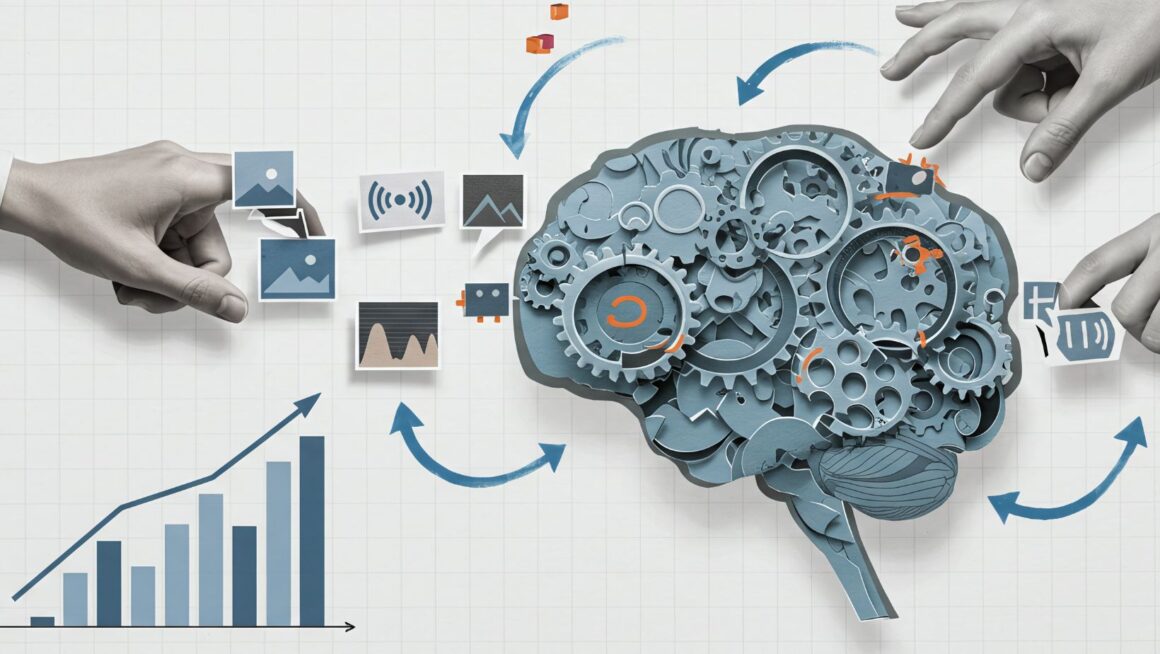
Organizations are increasingly adopting smart parcel management systems to handle delivery intake, notifications, tracking, and retrieval without manual intervention. Using tools such as parcel management software, every step becomes predictable and verifiable.
Key capabilities include:
- Barcode or QR code scanning at intake
- Automatic recipient notifications
- Time stamped digital records
- Secure, access-controlled storage
- Verified pickup confirmation
- Searchable audit trails
These systems do not eliminate human involvement. They eliminate unnecessary manual effort.
“Intelligent systems do not replace people. They replace uncertainty.”
Manual vs Intelligent Oversight in Practice
| Operational Area | Manual Oversight | Intelligent System |
| Delivery logging | Handwritten or spreadsheet based | Instant digital scanning |
| Notifications | Sent manually | Automated and immediate |
| Tracking | Informal and inconsistent | Real-time and searchable |
| Accountability | Dependent on individuals | System enforced |
| Error rate | High under volume | Consistently low |
| Scalability | Limited | Built for growth |
This contrast explains why organizations are moving away from manual oversight as volume and complexity increase.
Why This Shift Matters Beyond Efficiency
The transition to intelligent systems is not only about speed. It fundamentally changes how organizations operate.
Consistency improves
Systems perform tasks the same way every time. This reduces variability and improves trust in outcomes.
Visibility increases
Leaders gain insight into workflows without needing to ask for updates or intervene manually.
Accountability strengthens
Clear records reduce disputes and eliminate ambiguity around responsibility.
Stress decreases
Employees no longer carry the mental load of tracking details that systems can handle automatically.
Intelligent Systems and Organizational Focus
When manual oversight dominates, leaders are often pulled into operational details. Missing deliveries, unclear handoffs, and repeated questions rise up the chain. This distracts leadership from strategic priorities.
Intelligent systems prevent escalation by resolving issues before they become visible. They operate quietly in the background, allowing organizations to focus on growth, innovation, and customer experience.
This shift is particularly important in environments with:
- High delivery volume
- Shared or flexible workspaces
- Sensitive or high-value items
- Compliance or audit requirements
- Limited administrative staff
In these settings, manual oversight creates constant friction.
Data as the Foundation of Intelligence
A defining feature of intelligent systems is their ability to generate usable data. Manual processes produce fragmented or unreliable information. Intelligent systems produce structured datasets that support decision making.
Parcel management systems can reveal:
- Delivery volume trends
- Peak intake periods
- Average pickup times
- Storage utilization rates
- Bottlenecks and delays
For organizations looking to understand how these workflows operate at scale, this parcel management guide explains the fundamentals of structured parcel handling.
This data allows organizations to optimize space, staffing, and policies proactively rather than reactively.
The Cultural Impact of Intelligent Systems
The move away from manual oversight sends a strong cultural signal. It shows that the organization values clarity, reliability, and respect for time.
Employees benefit from:
- Fewer interruptions
- Clear expectations
- Reduced blame and confusion
- More time for meaningful work
Managers benefit from:
- Fewer escalations
- Better operational visibility
- Predictable outcomes
This shift improves morale and reinforces a culture of professionalism.
Why Manual Oversight Persists
Despite its limitations, manual oversight persists because it feels familiar. Organizations often underestimate the cumulative cost of small inefficiencies. It is only when volume spikes or a major issue occurs that the weaknesses become visible.
By then, the cost is already high.
The shift to intelligent systems requires upfront investment and change management, but the return is immediate and compounding.
Building Toward Intelligent Operations
Organizations that succeed in this transition focus on:
- Automating repetitive tasks
- Standardizing workflows
- Creating digital records
- Enabling self-service where appropriate
- Using data to guide decisions
Parcel handling is often one of the fastest areas to modernize because the impact is immediate and visible.
“Intelligence in operations is not about complexity. It is about removing it.”
Conclusion: The Future Is System-Led, Not Manually Managed
Manual oversight once defined operational reliability. Today, it limits it. As organizations grow more complex, intelligent systems provide the structure needed to operate efficiently and calmly.
The shift from manual oversight to intelligent systems is not a trend. It is a necessary evolution. In areas such as parcel management, this transition unlocks visibility, accountability, and scalability that manual processes cannot provide.
Organizations that embrace intelligent systems today position themselves to operate with confidence tomorrow.