
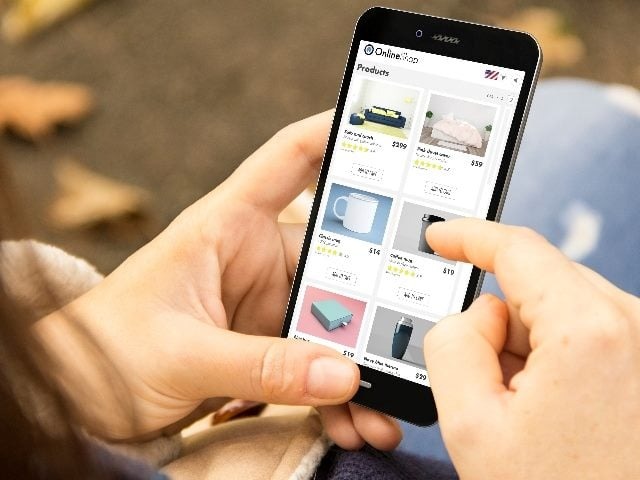
Mobile e-commerce remains a key driver of online market growth, and the smartphone itself is becoming more than just a communication device, but the primary channel for brand interaction, a source of impulse purchases, and personalized offers. This is why it’s so important to stay on top of current trends in this field and ensure you have a mobile e-commerce solution. To achieve this, you need to partner with reputable companies that are developing mobile e-commerce. One great example is https://dinarys.com/.
Why Shopping Is Shifting to Smartphones
There are several reasons why mobile e-commerce is becoming increasingly relevant and popular. One of the main reasons is that the smartphone is becoming a user’s primary screen.
Adults spend two to six hours daily on smartphones, which contributes to the habit of shopping on the go.
But this is only one reason. Demand for this type of e-commerce is also growing due to:
- The growth of mobile payments. Apple Pay, Google Pay, NFC, and one-click payment have simplified checkout to seconds. Minimal interactions maximize conversion. Users don’t need to enter their card number, CVV, or address, as everything is filled in automatically.
- Real-time personalization. Mobile apps, push notifications, geolocation, and AI recommendations allow marketplaces to offer products exactly when a user is ready to buy. Personalized discounts, abandoned cart reminders, and relevant content all work more effectively on mobile devices.
- Development of social shopping. Social networks continue to strengthen their shopping capabilities. Content on them has become a direct sales channel. Social commerce already accounts for up to 30% of mobile sales in some categories.
- Convenience of delivery and services. Mobile tracking, instant communication with the courier, maps of pickup points, and instant chat support make shopping as convenient and fast as possible.
How Businesses Can Adapt to Mobile Commerce
Mobile e-commerce isn’t as complicated as it might initially seem. However, it’s important to optimize the smartphone version. The site should load in 1-2 seconds and have a simple menu. Equally important is correct display on all devices, including a convenient mobile shopping cart.

Another key consideration is the implementation of mobile payment methods. The fewer steps required, the higher the likelihood of a completed purchase. Apple Pay, Google Pay, and Masterpass should be a single click away.
Developing a custom app is optimal. This will ensure:
- more repeat purchases;
- higher average order value;
- direct access to customers via push notifications;
- personalized offers.
Using Artificial Intelligence and Social Media Integration in Sales
In mobile e-commerce, you definitely shouldn’t abandon the capabilities of artificial intelligence. These include product recommendations, dynamic pricing, real-time customer segmentation, and predictive analytics.
Another viable option for expanding the capabilities of mobile e-commerce is integrating social media into sales. It’s important to provide shopping tags, product catalogs on Instagram and TikTok, and a quick transition from videos to product pages.
The importance of smartphones in e-commerce is rapidly growing. Therefore, it’s important for online store owners to address current trends and the needs of modern users, offering them convenient and effective mobile shopping solutions.