
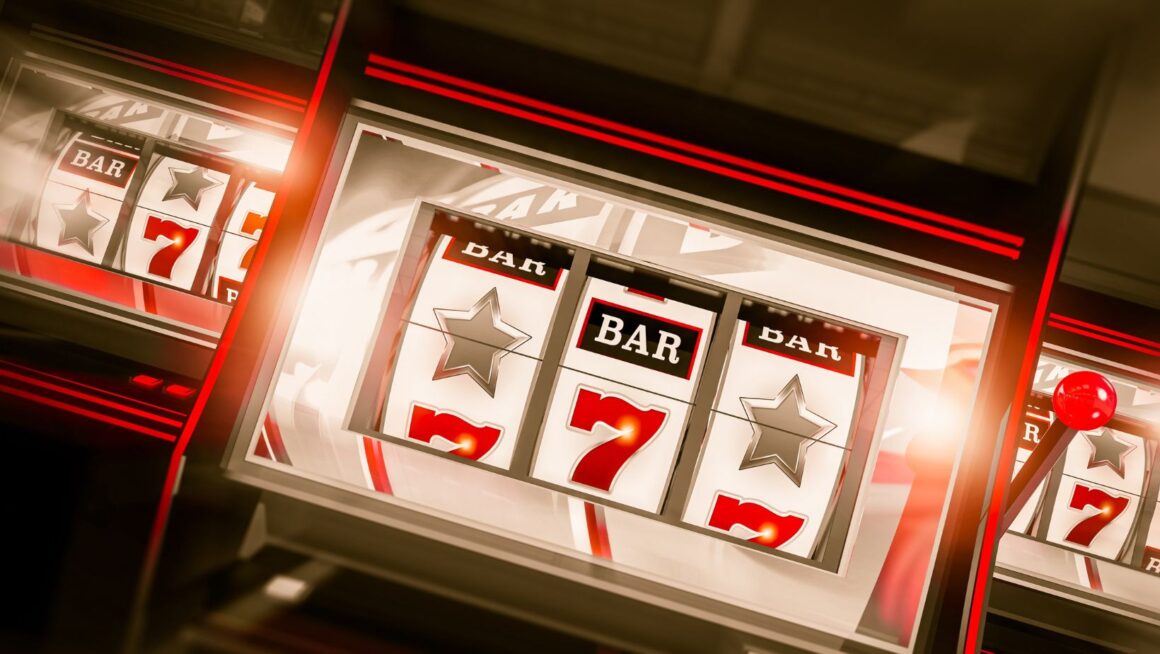
Most people think of online casinos as endless streams of new games—fresh graphics, quick updates, sleek designs. But behind the constant releases lies a digital graveyard. Thousands of once-popular casino titles now sit abandoned, broken, or inaccessible. Some can’t even run on modern browsers. Others rely on old plugins no one supports anymore. These high roller bonuses CA are the fossils of the digital gambling age, buried not in landfills, but in outdated code.
The End of Flash—and a Sudden Vanishing
In 2020, Adobe Flash reached its official end-of-life. For decades, Flash had powered much of the online casino world. Slot machines, roulette tables, and even poker apps were built on it. When support ended, millions of players suddenly couldn’t load their favorite games.
Casino operators rushed to migrate, but not all could keep up. Smaller developers simply vanished. With no updates or modern versions, entire libraries went dark overnight. The loss wasn’t just technical—it was cultural. Flash casinos defined an era, and when browsers stopped running them, it was like switching off the lights in a once-bustling digital Vegas.
Who Keeps Old Games Alive?
Some casino platforms keep archives of their classic games. Others don’t bother. Maintaining outdated code is expensive and risky. Licensing fees expire, source files get lost, and developer teams move on. For legal reasons, few operators will host “retired” titles even for nostalgia’s sake.
A handful of independent collectors and hobbyist coders try to save them. They run private servers, emulate old software, and preserve game files like museum curators. Their goal isn’t to profit—it’s to protect a piece of gaming history. But this underground preservation work exists in a gray area. Many of these games are still under copyright. Keeping them online can technically violate casino licensing laws.
The Hidden Problem of Old RNGs
Every casino game depends on a Random Number Generator, or RNG. It decides what cards are drawn, how reels spin, and whether a player wins or loses. In modern systems, RNGs are highly secure and regularly audited. But what happens when an old game’s RNG becomes outdated?
In some early titles, RNG logic was simple and predictable. If someone reverse-engineers the code years later, they might find patterns—tiny cracks in the randomness. That opens the door for exploitation. A few researchers have shown that older RNGs, especially in unsupported software, can be simulated to predict outcomes with surprising accuracy.
The danger isn’t that players are still betting on these games—most aren’t live anymore—but that the same flawed RNG code sometimes gets reused. Developers may copy and paste it into new projects without realizing the vulnerabilities hidden inside.
The Fate of Player Data
When a casino game shuts down, what happens to the player accounts linked to it? Ideally, data should be deleted or migrated safely. But with smaller studios, this doesn’t always happen. Some data remains in old databases—unsecured, unencrypted, forgotten.

In a few cases, security researchers have stumbled across abandoned casino databases left exposed online. These hold usernames, transaction records, and even partial payment details. The danger is clear: once a platform stops maintaining its old infrastructure, it also stops protecting it. Digital decay isn’t just about disappearing games—it’s about decaying security.
Broken Links and Ghost Servers
If you’ve ever clicked on a casino link only to see “server not found,” you’ve seen decay firsthand. When hosting contracts expire, domain renewals fail, or servers move, the digital connections break. Some of these “ghost casinos” still exist in fragments—old web pages cached by search engines, screenshots stored by fans, or broken apps on outdated phones.
There’s a strange beauty in this digital afterlife. You can still find banner ads for games that no longer exist. Their jackpots remain frozen in time. Their “Play Now” buttons lead nowhere. It’s a reminder that even the most modern industries age faster than expected.
Why Casinos Rarely Preserve Old Games
Physical casinos preserve their history through old machines and memorabilia. Online casinos, in contrast, delete and replace. The reason is simple: licensing. Many game providers rent their titles through strict agreements. When those end, the host must take the game offline. There’s no ownership, only access.
That’s why even large casinos rarely offer “classic” collections. Legally, they can’t. Even if they could, older games often fail modern compliance standards for encryption, data protection, and responsible gaming measures. Keeping them active would mean breaking new laws.
The Cost of Upgrading Everything
Migrating an old game to modern technology isn’t simple. It means rewriting code, updating RNG certification, and redesigning graphics to fit mobile screens. Most studios decide it’s not worth the cost. They build new games instead, and these modernized games preserve original themes while fixing outdated mechanics. For example, early Flash slots have been reborn as HTML5 games, optimized for mobile play. Yet even then, the original versions are lost forever, like early film reels disintegrated beyond repair.
When Abandoned Games Become Vulnerabilities
There’s another problem with digital decay—it attracts the wrong attention. Hackers and scammers sometimes use abandoned game domains for phishing. A player searching for an old favorite might land on a fake page designed to steal credentials.
Since the original operator is long gone, no one monitors these domains. The digital carcass of a casino game becomes bait. This is one reason regulators encourage strict domain control even after shutdowns: to stop forgotten platforms from being revived for fraud.
Lessons From Decay
The story of online casino decay isn’t just about lost code—it’s about the fragility of digital culture. We assume the internet remembers everything. In truth, it forgets fast. Games vanish, data erodes, and code becomes unreadable within a few years.
Preserving digital gambling history could teach future designers about fairness, security, and evolution. But without effort, these lessons will fade with the servers that once ran them. The next generation will play shiny new slots without knowing the worlds that came before.