
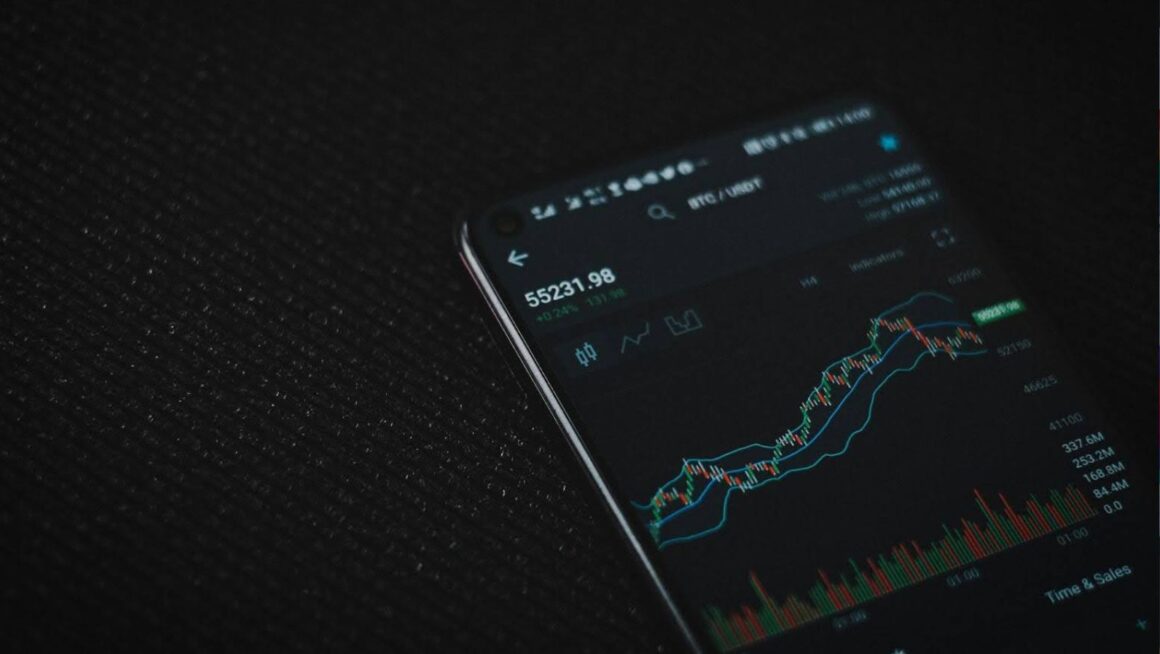
Each financial crisis leaves its own trace, however, there is one repetitive pattern: more and more experienced traders shift to the gold market. Gold is a common topic of conversation when there is a decline in stocks, a weakening of the currency, or an increase in geopolitical tension. This is not driven by habit and tradition alone. There are certain characteristics that allow gold to be considered a useful indicator in turbulent times, allowing traders to comprehend the feelings of fear, liquidity, and changes in international confidence.
This article discusses the reasons why this market is monitored by seasoned traders whenever an emergency occurs, the impact of uncertainty on gold, and the lessons to be learned in the manner in which the commodity responds. It is not about hype but rather about practical market dynamics that have been relevant over time.
The Reason Why Gold Reacts Heavily to Uncertainty
Gold responds to crises due to a number of reasons. Understanding these factors enables one to appreciate the reason why traders keep a close watch on them.
To begin with, gold is valued on an international scale, primarily in the US dollar. This renders it vulnerable to alterations in the strength of currency, interest rates and central bank activities. To help economies, central banks tend to reduce the rates or inject money during times of crisis. These measures may undermine the currencies and heighten inflation fears, which are known to favour gold prices.
Second, gold is a tangible product that is scarce. It is not made immediately, as is the case with paper currencies or digital assets. This is limited, a factor that increases its desirability at times when there is mistrust in financial systems.
Third, gold has no credit risk. It is not tied to the profits of a firm or the debt repayment capacity of a government. This is particularly desirable in the period when headlines are filled with default, bankruptcies or debt crises.
The Trends at the Time of The Great Crises
Examining the previous crises would assist in justifying why gold is under the microscope all the time.
Gold prices increased in the year 2008, when the global financial crisis hit the world, and banks collapsed, and people lost trust in financial institutions. Gold also became an issue once more in the European debt crisis, as there was concern with sovereign debt. In more recent developments, during the pandemic-related market shock, gold has hit new highs as governments have rolled out huge stimulus packages.
These illustrations indicate that gold does not necessarily follow a straight path during crises. Temporary declines may occur as investors sell investments to acquire cash. But long-term trend and recovery are some of the factors that experienced traders pay attention to when they deal with the bigger picture and the fear and uncertainty that can be short-term instead of long-term liquidity requirements.
Gold and Contemporary Trading Instruments
Contemporary traders do not trade in gold only in physical possession or conventional futures. Financial instruments have increased access and flexibility, and hence gold becomes simple to analyse and trade in times of crisis, which is moving speedily.

Here is where the XAU/USD CFD trading would apply to the players in the market interested in tracking the movements of the gold price in the market without necessarily possessing the physical metal. This tool enables traders to respond swiftly to the news, changes in policies, and the market mood, which is usual when a crisis is on. Its popularity underscores the role that gold plays in the current trading techniques.
Most Important Signals to be followed by Traders in Gold Markets
Gold is not watched blindly by experienced traders. They attach importance to certain signals which aid in understanding what is being said in the market. These signals often include:
- Price trends: The trend of prices in an upward direction can mean increasing levels of fear or uncertainty over time.
- Volatility: Rapid changes in prices can indicate panic or significant events.
- Correlation variations: When gold is not moving according to the stocks or the currency, this may indicate a change in market structure.
- Reaction to news: Reactions to economic data or central bank decisions are extreme, leading to increased sensitivity.
The combination of these signals will enable traders to be better equipped to know whether the crisis is escalating or not.
The Gold and the US Dollar Relationship
The relationship of gold and the US dollar is one of the most significant dynamics that traders monitor during crises. Although gold is traded in dollars, there is not necessarily an easy correlation between them.
On several occasions, a depreciated dollar will favour a rise in gold prices. This is because gold will be cheaper to the people holding other currencies, which will cause an increase in demand. However, in times of a crisis, both the gold and the dollar may increase concurrently. This generally indicates a very high level of risk aversion, such that investors would seek safety in both assets at the same time.
Gold vs. Other Safe Assets
Gold is not the only asset that is said to be safe in crises. Demand can be attracted to government bonds, some currencies, as well as cash. Gold, however, is different in that it will act in a different way depending on the nature of the crisis.
As an example, in a crisis caused by inflation, bonds will become unattractive as they will start to decline in real yield, whereas gold will become strong. The non-dependence of gold on governmental liabilities is more appealing in occasions where there is a crisis pertaining to debt. To determine the market-dominating risks at a certain time, traders use the performance of gold against other safe assets.
Such a comparison assists in refining the strategies and prevents the use of only one signal.
Conclusion
The gold market is something that experienced traders observe in every crisis, since the gold market can provide insight that can hardly be duplicated by other assets. Fear, reactionary policies, exchange rate changes, and long-term trust and confidence in financial systems are reflected in gold. Its movements give the traders an idea of what is happening and the extent to which the situation can turn serious.