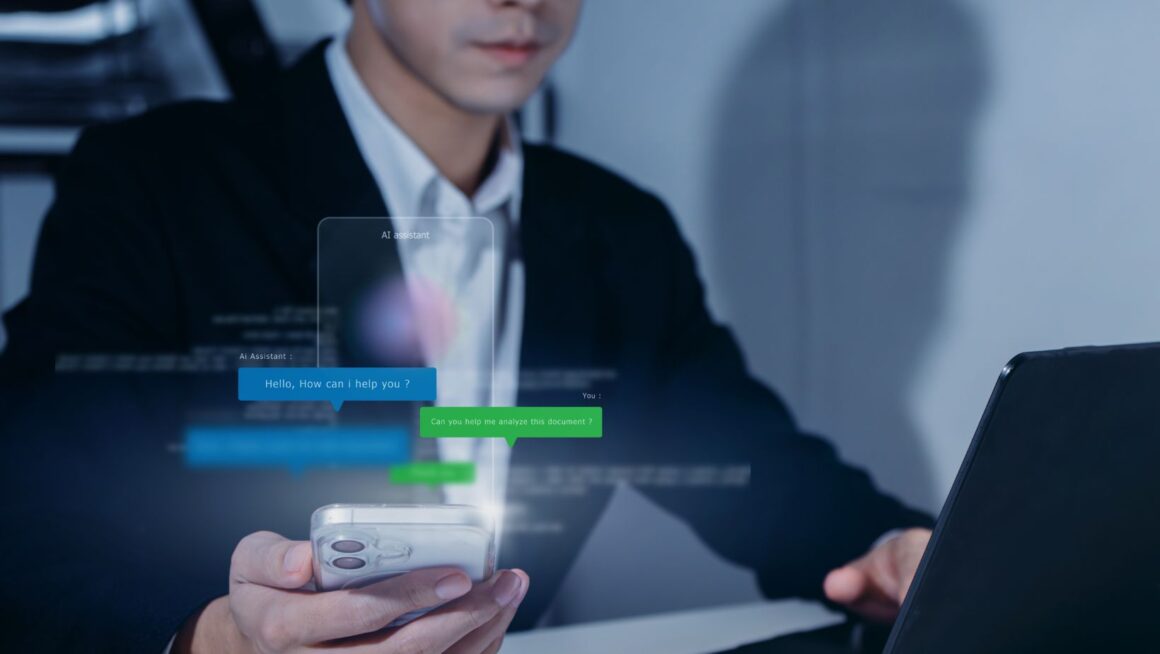
A seasoned player sits at a virtual table and analyzes thousands of poker hands in seconds. They spot patterns you’d never see. They make decisions backed by computational power that would take you years to develop.
This isn’t science fiction. It’s your new reality in 2025.
Texas Hold’em still dominates the poker scene. However, Pot-Limit Omaha has exploded among serious enthusiasts, and AI tools made it happen. What once seemed impossibly complex now feels within reach.
Basics of Poker
Most poker games seat 2 to 14 participants, though 6 to 8 creates the best dynamics. You’re playing with a standard 52-card deck, a far cry from the original 20-card version.
The core principle hasn’t changed: rarer poker hands beat common ones. A royal flush crushes a full house every time because you’ll see it once in 649,740 hands versus once every 694.
What separates poker from pure gambling is bluffing. You can win pots without ever showing your cards. This psychological edge has always separated good players from great ones, but AI is rewriting these rules faster than most realize.
The Rise of Pot-Limit Omaha in the Poker Scene
Hold’em gives you two hole cards. PLO deals four.
That difference creates exponentially more hand combinations and strategic scenarios. The betting structure adds another layer—you can bet any amount up to the current pot size, which means pots balloon fast and variance hits harder.
Professional players gravitated toward PLO because it rewarded mathematical precision in ways Hold’em couldn’t match. However, calculating odds with four hole cards overwhelmed even experienced participants. Understanding hand rankings and evaluating multiple draw possibilities required years of dedicated study.
AI changed everything overnight. What once took years to grasp now gets analyzed through machine learning algorithms that simulate and optimize poker strategy. Those utilizing AI assistance improve their PLO win rates 3-4 times faster than those grinding it out the old way.
AI’s Role in Analyzing Poker Strategies
Modern poker AI doesn’t just calculate odds. It evaluates opponent tendencies, recognizes betting patterns, and suggests optimal plays based on game theory.
These systems analyze millions of poker hands and identify trends you’d miss even after a decade at the tables. They simulate thousands of scenarios in seconds, testing different poker strategy approaches against various opponent types.
This capability has democratized professional-level analysis. You no longer need a five-figure coaching budget to access elite poker knowledge.
AI Enhances Decision-Making in PLO
PLO decision-making is brutal. You’re juggling four hole cards, community cards, pot odds, implied odds, opponent ranges, and position simultaneously.
AI handles this complexity without breaking a sweat. Modern tools provide real-time feedback during study sessions—input a scenario and receive immediate analysis showing optimal plays, expected value calculations, and frequency recommendations for poker hands ranging from high card to straight flush.
The technology also demystifies advanced tactics like overbetting. This strategy involves wagering more than the pot to maximize value or force opponents into impossible decisions. AI reveals exactly when and why overbetting works, removing the guesswork from moves that used to separate pros from amateurs.
The Impact of AI on Player Training
Traditional poker training meant hand reviews, coaching sessions, and countless hours at the tables. AI compressed that timeline by 60-70%.
You now access personalized training programs that adapt to your specific weaknesses. The systems identify leaks in your playing style, suggest corrections, and track improvement over time with precision that human coaches can’t match.
The integration extends beyond poker strategy. Those exploring poker crypto options find new opportunities as blockchain technology and AI create secure, transparent gaming environments that complement each other perfectly.
| Training Method | Time to Proficiency | Cost |
| Traditional (coaching + experience) | 2-3 years | High |
| AI-assisted learning | 6-12 months | Moderate |
| Hybrid approach | 8-15 months | Variable |
Regulatory Challenges Faced by AI in Poker
Online poker platforms face a thorny question: where does legitimate study end and unfair advantage begin? Most platforms prohibit real-time assistance but allow AI use during study sessions.
Enforcement is messy. How do you distinguish between participants who’ve internalized AI-taught strategies and those receiving live assistance? The industry continues wrestling with this, deploying sophisticated detection systems that monitor play patterns for signs of bot usage.
The regulatory landscape varies wildly by jurisdiction. Some embrace AI as a learning tool. Others maintain strict controls that create confusion for players and operators alike.
Social poker environments face fewer concerns. Settings like poker with friends often welcome AI as an educational tool that helps recreational players improve without the competitive pressures of high-stakes environments.
Prospects for Poker with AI Integration
The next phase is already taking shape. AI will become more accessible as user-friendly interfaces replace complex solver software. Personalized AI coaches will provide real-time feedback tailored to your learning style.
Virtual reality integration may create immersive training environments that combine AI analysis with realistic gameplay simulation. You’ll practice reading the dealer button position and navigating betting rounds in scenarios that feel like sitting at the World Series of Poker.
- Increased accessibility of professional-level analysis tools for understanding hand rankings
- Development of AI systems that teach exploitative play against weak opponents during betting rounds
- Integration of biometric feedback to analyze emotional states during play
- Emergence of AI-human hybrid tournaments testing collaborative strategies
- Expansion of AI tutoring into live poker environments through augmented reality

The competitive landscape will shift dramatically. As AI knowledge spreads, the edge it provides will diminish. Those currently dominating through superior AI-assisted study will need new advantages—psychological warfare, creative play, exploitative strategies that target specific opponent weaknesses.
The poker community remains divided. Purists argue computational assistance undermines the game’s human element. Progressives counter that AI simply speeds up the natural evolution of strategic understanding. Both perspectives hold merit, and this debate will intensify as technology advances.
Embracing the New Era of Strategic Play
AI integration into Pot-Limit Omaha represents more than technological advancement. It marks a fundamental shift in how you approach strategic complexity.
The barriers that once made PLO intimidating have lowered significantly. You can now access insights previously available only to elite professionals, compressing years of learning into months of focused study.
Three realities define this transformation. AI has democratized advanced poker knowledge, making sophisticated analysis of poker hands available to anyone willing to learn. The technology speeds up skill development by 60-70%. Regulatory frameworks must evolve to balance innovation with competitive integrity.
The future belongs to those who view AI as a collaborative tool, not a replacement for human judgment. Those who resist this wave risk obsolescence. Those who embrace it thoughtfully will navigate PLO’s complex landscape with confidence, understanding everything from bluffing dynamics to straight flush possibilities. The game hasn’t changed, but your ability to master it has expanded beyond anything previous generations could imagine.