
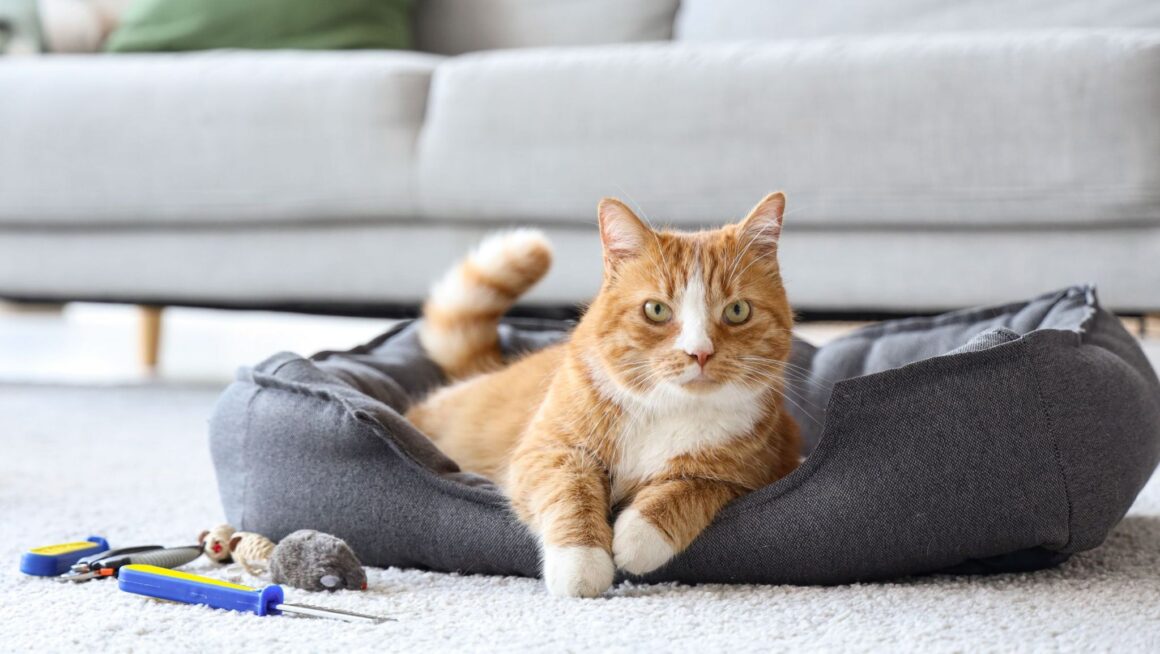
Sharing your home with cherished pets while dealing with allergies creates a delicate balancing act that millions of families face every day. The deep bond we form with our furry companions shouldn’t force us to choose between their companionship and our family’s well-being. The good news? You can absolutely create a harmonious environment where both pets and allergy-prone family members thrive together. Regular cleaning with a pet vacuum designed to tackle pet hair and dander effectively forms just one piece of a comprehensive allergen management strategy.
Understanding Pet Allergies
What Are Pet Allergies?
Pet allergies stem from your immune system’s overreaction to proteins lurking in pet dander (those tiny flakes of dead skin), saliva, urine, and fur. Here’s something that might surprise you: pet hair isn’t actually the main villain in this story. Instead, it’s those nearly invisible particles that hitch a ride on the hair and float through your home’s air. These stubborn allergens have incredible staying power, hanging around for months even after pets have moved out.
When these proteins make contact with sensitive individuals, they can trigger a cascade of uncomfortable symptoms. You might notice sneezing fits, a constantly runny or congested nose, eyes that water and itch relentlessly, or skin that breaks out in irritating rashes. For those with more severe sensitivities, the stakes get higher—wheezing, difficulty breathing, or full-blown asthma attacks can occur. What’s particularly challenging is how dramatically reactions vary from person to person; while one family member might experience only minor sniffles, another could face serious respiratory distress.
How Allergens Spread in the Home
Pet allergens don’t stay put—they’re constantly on the move throughout your living space. Every time your pet grooms themselves, romps around during playtime, or simply walks from room to room, they’re releasing microscopic particles into the air. These lightweight troublemakers eventually settle onto practically every surface imaginable: your carpets, sofas, bedding, clothes, and yes, even your walls.
What makes this particularly tricky is how these allergens travel. They cling to clothing and shoes like invisible hitchhikers, spreading to areas where your pet has never even set paw. Carpeted floors, plush furniture, and heavy window treatments become allergen reservoirs—silently collecting and gradually releasing these particles back into your breathing space over time.
Strategies for Reducing Pet Allergens Indoors
Cleaning and Environmental Controls
Building a solid cleaning routine becomes your first line of defense against allergen buildup. HEPA filters aren’t just fancy marketing terms—they’re genuine game-changers for both vacuum cleaners and air purifiers. These specialized filters can snag particles as minuscule as 0.3 microns, which means they catch even the tiniest allergen particles that slip right through ordinary filters.
If you’re ready for a bigger change, consider trading wall-to-wall carpeting for hard flooring like hardwood, tile, or laminate. These surfaces don’t provide cozy hiding spots for allergens the way carpet fibers do. The same principle applies to window treatments—lightweight, washable curtains or easy-to-clean blinds beat heavy drapes hands down.
Essential Cleaning Strategies for Pet Households:
• Run your HEPA-filtered vacuum over carpets and furniture at least twice each week
• Toss pet bedding into the washing machine weekly using hot water (130°F minimum)
• Wipe down surfaces with slightly damp cloths rather than dry dusting (which just redistributes particles)
• Give air vents a thorough cleaning and swap out HVAC filters monthly
• Apply allergen-reducing sprays to fabric items that can’t make it into the washing machine regularly
Creating Pet-Free Zones
Setting aside pet-free areas—especially bedrooms—can dramatically cut down on nighttime allergen exposure when your body is most vulnerable. Think of these spaces as your recovery zones, places where allergy sufferers can retreat and give their systems a break from constant allergen bombardment. Even restricting pet access to just one or two rooms can create a noticeable improvement in air quality throughout your entire home.

Bathing and Grooming Pets
Here’s an encouraging statistic: regular bathing and grooming can slash the allergens on your pet’s coat by up to 84%. Weekly baths using gentle, hypoallergenic shampoos wash away accumulated allergens before they have a chance to spread through your living space. When possible, designate the task to family members who aren’t allergic, or invest in professional grooming services for the most thorough allergen removal.
Medical and Lifestyle Management
Treatment Options for Allergy Sufferers
Today’s medical treatments offer real hope for pet allergy sufferers. Over-the-counter antihistamines can take the edge off mild symptoms, while prescription nasal corticosteroid sprays provide stronger relief for persistent issues. When allergies are severe and other treatments fall short, immunotherapy—commonly known as allergy shots—can gradually train your immune system to tolerate pet allergens better.
Some people with respiratory symptoms may need bronchodilators to help keep their airways open. The key is working with healthcare professionals who can properly diagnose your specific situation and create a treatment plan tailored to your needs. Trying to figure it out on your own often leads to frustration and ineffective management.
Here’s something worth knowing: despite what you might read in advertisements, no dog or cat breed is completely hypoallergenic. Every pet produces allergens, though some breeds might produce slightly less than others.
Dietary and Environmental Adjustments for Pets
While it’s less commonly needed, some pets benefit from dietary tweaks, especially if they’re dealing with skin conditions that ramp up dander production. High-quality foods rich in omega-3 fatty acids can promote healthier skin and coats, potentially reducing the amount of allergens your pet sheds.
When selecting cleaning products and pet shampoos, opt for hypoallergenic formulas to avoid adding extra irritants to your home environment.
Practical Tips for Everyday Living
Key Takeaway Box:
– Stick to consistent cleaning schedules using HEPA-filtered equipment
– Establish and maintain pet-free bedroom zones
– Bathe pets weekly and keep up with regular grooming
– Partner with healthcare providers for proper medical management
– Replace carpeting with hard surfaces whenever feasible
– Run air purifiers with HEPA filters in your main living areas
Successfully managing pet allergies means finding that sweet spot between cherishing your pets and protecting your family’s health. Many households discover that combining several strategies—thorough cleaning, smart environmental changes, and proper medical treatment—makes it entirely possible to enjoy pet ownership while keeping allergy symptoms in check.
Conclusion
Tackling pet allergies at home requires a thoughtful, multi-pronged approach that weaves together consistent cleaning habits, smart environmental adjustments, and appropriate medical support. While the task might feel overwhelming at first glance, countless families have proven it’s absolutely possible to maintain joyful, healthy homes where both pets and allergy sufferers flourish.
Success hinges on two crucial elements: consistency and patience. Allergen reduction strategies need time to reach their full potential, so don’t expect overnight miracles. By putting these research-backed approaches into practice and maintaining open communication with both healthcare professionals and veterinarians, families can craft living spaces where everyone—two-legged and four-legged alike—can breathe easy and live comfortably together.