
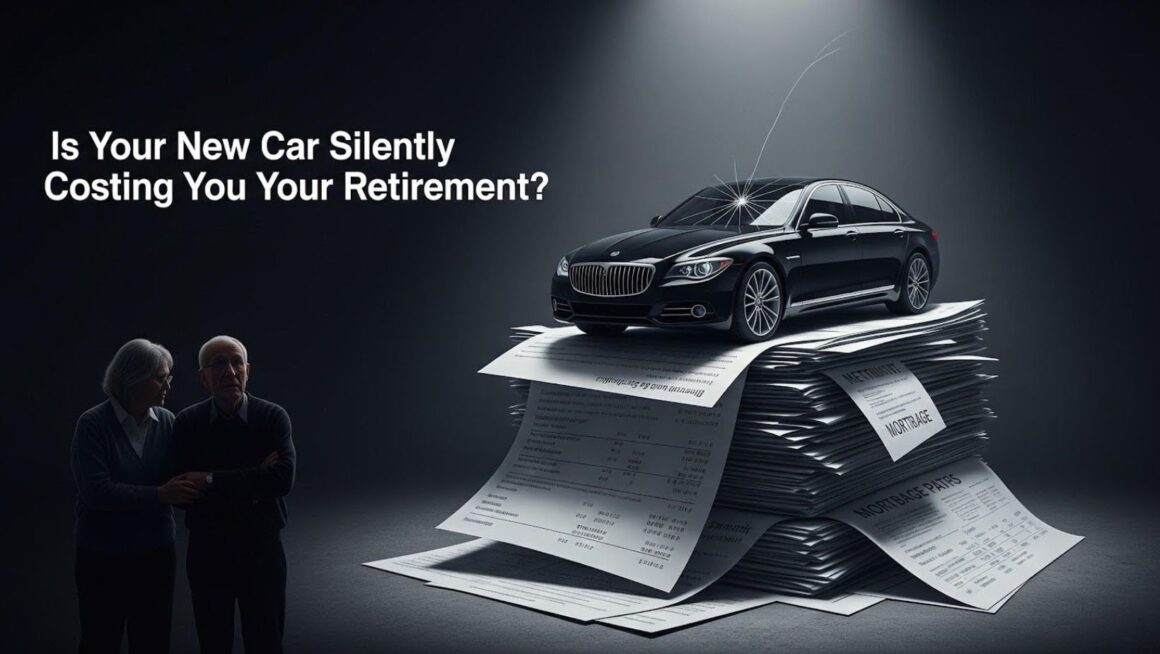
The purchase of a new car is an exciting milestone, the smell of the leather seats, the rush out of the lot, and the happiness of having something new. But have you ever taken a moment to think of how this purchase can silently influence your future finances and in particular your retirement income? One can be easily distracted by the moment and forget about the long-term effects of the financing of a new vehicle. In this blog post we are going to discuss how your new car is making a dent in your retirement savings, even without you realizing it- and what you can do to keep on track towards a comfortable retirement.
Get the Real Price of a New Car.
On the face of it, the cost of a new car appears to be the only number that counts. However the truth is much more complicated. In addition to the sticker price, we have financing, depreciation, insurance, maintenance and even opportunity costs. By using an auto loan to fund a new vehicle you are actually not only paying the cost of the vehicle but also the interest over a period of time. This accumulates and can very well boost the total expenditure.
The extent to which these monthly payments can affect their budgets is underestimated by many people. As an example, a new shiny car may need a monthly payment that can be the same amount you would be adding to your retirement fund. That money that you managed to spend on servicing your auto loan may end up being money that you did not invest in your future without proper planning.
How Financing Can Drain Your Retirement Dreams
A common trap that has to be fully avoided is the lack of understanding the strength of the compound interest across time. You are robbing yourself of what would otherwise grow in your retirement fund as you take out an auto loan, particularly with a high interest rate. An interest rate calculator can make you see how much you will be paying as interest alone during the life of the loan. When that occurs every year, the interest you lose on your car loan may easily compete, and even surpass, what you would have earned by using that money to invest.
Instead, consider a compound interest calculator and calculate the growth of that amount of money had you invested it in place of that car payment every month. In the next 20 or 30 years, the disparity may be shocking. This unspoken money sink can make your new car not only costing you more than your checkbook, but it could be costing you your retirement funds.
Depreciation: The Hidden Expense Eating Your Equity
In comparison with investment, a new car is a depreciating asset. As soon as you take it out of dealer lot, this car has lost a huge share of its value- about 20% or more within the first year. This is a quick depreciation and so when you change your financial position and sell you could have far less than what you are owed on the car.
Such negative equity scenario is potentially subjecting you to financial burden, minimizing the amount of money you could have directed to your long-term retirement plans. Although one may desire to have a stable and good-looking car, being aware of this depreciation curve will guide you to make better choices regarding when to make a purchase or when to look at relatively old cars that would depreciate at a slower rate.
How to Protect Your Retirement While Enjoying Your New Car

The good news is, you will not need to totally abandon the idea of acquiring a new car to secure your retirement. These goals can be balanced by planning and smart strategies.
Before you commit, first use an auto loan calculator. This calculator will indicate how the various terms of the loan, down payment and interest rate will impact your monthly payments and loan cost. Armed with this information, you will not be able to overstretch yourself.
Secondly, consider the interest rate. When financing is offered, run an interest rate calculator and know how much you will be paying during the life of the loan. At other times, a negotiated lower rate or a less desirable loan term can cost thousands of dollars which can be channeled to retirement savings.
Also take into account the advantages of higher down payment. The larger the deposit at the beginning the less you finance and hence the less the interest you pay. It reduces the loan amount and releases funds to other financial demands.
Using a Retirement Calculator to be on Track
It can be easy to lose sight of retirement when daily expenses and desires such as a new car loom large and immediate. And a retirement calculator will give a wake-up call. Entering your existing savings, anticipated contributions, and your desired age to retire, this tool will project how much you need to be saving in the present to achieve you retirement objectives. This in numbers may be an eye-opener and will make you remember how big purchases should be balanced in the future.
Decide that if a purchase of new car would jeopardize your retirement savings, you can also reshape your finances or schedule. It may involve postponing the purchase, getting a cheaper car or devising methods of getting more money or saving to cover.
Conclusion: Drive Smart to Your Future.
Your new car is not only joyful and convenient but also makes you feel like you have accomplished something– however, it can also eat up your retirement funds when you are not attentive. You can make an informed decision by knowing the true cost over and above the sticker price with the help of certain tools such as an auto loan calculator, interest rate calculator, a compound interest calculator, and a retirement calculator.
Keep in mind that retirement game is a long-term process and all your financial choices today determine your financial freedom tomorrow. It is all about maintaining a balance: have the comforts of now but do not compromise your future security. It is time to make smart choices regarding your money, and to make your next auto purchase a smart one, one that not only takes you down the road, but also to a worry-free retirement.
Intending to purchase a new car in the near future? What is your strategy in balancing large purchases with your retirement? Write about your experience or ask questions below–we would love to know about you!