

If someone you know was involved in civil or criminal litigation, it is entirely reasonable to want to know the outcome of the case. Unfortunately, accessing this is not always as straightforward as one may expect. Not every settlement is a matter of public record, and even if it is, how does one go about finding the outcome?
A settlement is a way to end an ongoing criminal or civil court case with both parties mutually consenting to the decision. In criminal cases, this is more commonly referred to as a “plea bargain.” If two parties reach an agreement, they are usually listed and composed under a “stipulation of settlement.”
While we won’t show you how to access every court record out there, we will discuss how to find out if someone got a settlement by showing different ways to access the information. Bear in mind that whether or not you will be able to access the individual case records will depend on whether or not they are public records.
How to Find Out if Someone Got a Settlement
There are a lot of different reasons for a court case, and by extension, several varying types of settlements. You can have cases for personal injury, which include things like vehicular accidents, workplace accidents, negligence or error by medical practitioners, and more. The settlements for these cases are not public record, and details surrounding them are private.
There are also settlements for employment cases (wrongful firing, workplace harassment, etc.), contractual dispute cases, familial cases (child support, divorce, etc. and class action lawsuits.
In the interest of covering all bases, we will not go into individual types of settlements and how they differ. Instead, we will offer solutions that typically work for all settlements that are public record.
Check Public Records
If you want to check public records, there are multiple resources to do so, both online and in person. For most cases, you will be able to find all records on it through the local court website if they have one. Many government websites, even for counties and cities, now have searchable databases that make the process relatively simple.
If you are looking for the settlement in a federal court case, then the Public Access to Court Electronic Records (PACER) is likely your best bet.
While it may seem archaic in the 21st century, you can also go to the courthouse and ask to see the case file, and they will let you know whether or not it is available to you or the public. Regardless of whether you use your computer or the local courthouse, you will likely need the case number or the names of those involved in the case.
Use A People Search Engine
While these are more unconventional than going to a courthouse, people search engines offer a vast database of information that can be provided to you in five minutes or less. These tools allow a person to enter a name and a relative location, which brings up a list of any people that fit the criteria.
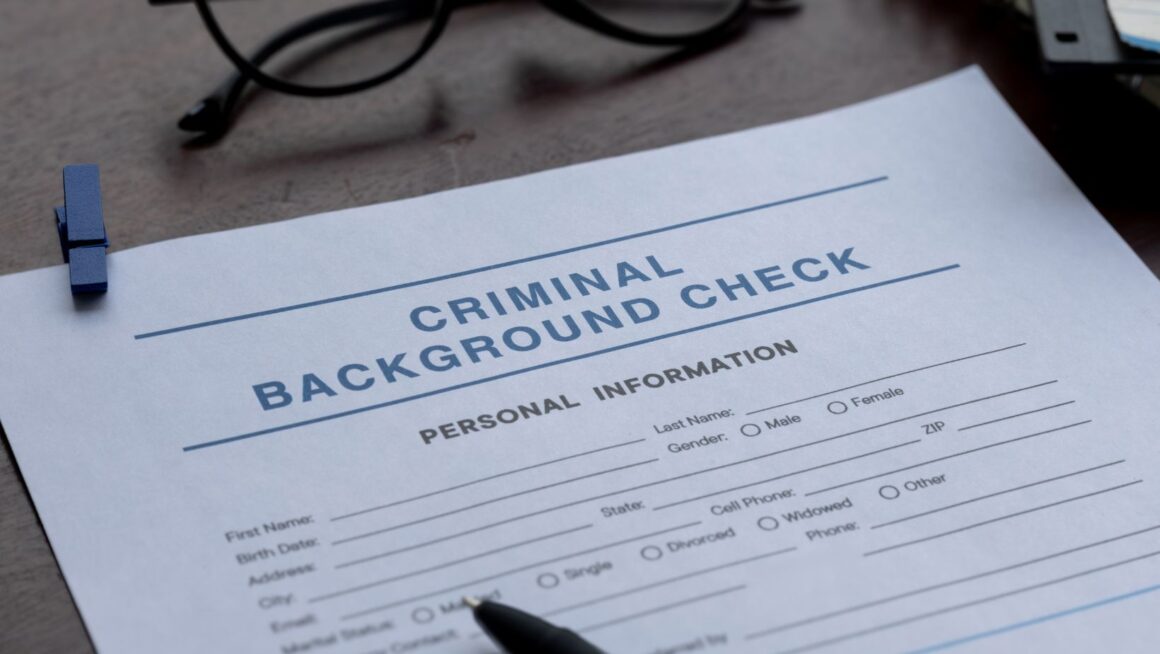
Once you select the person you are interested in, the search engine will collect all relevant public records surrounding the person. This includes but isn’t limited to previous phone numbers, addresses, occupations, and any public court cases they were involved in.
Keep in mind that if the case is very recent, the people search engine may not be able to find the settlement. The quickness with which their internal database is updated will vary from one provider to another. As a warning, some people search engines are less trustworthy than an individual may like, and discretion is recommended before people pay for any 3rd-party service.
Summary on How to Find Out if Someone Got a Settlement a Settlement
Whether or not you will be able to see a settlement will depend on whether it is a public record or not. For many settlements, the specific amount is not available to the public, and while you can find out if there is a settlement, details will be scarce. Outside of asking the people involved directly, there are really only two methods for uncovering settlement details.
The first and most obvious is reaching out to the courthouse directly, or using one of the number of digital resources available, like PACER for federal court cases. For a quicker but less official solution, try using people search engines to pull up any and all public records on a person that haven’t been sealed, along with a number of other details.