
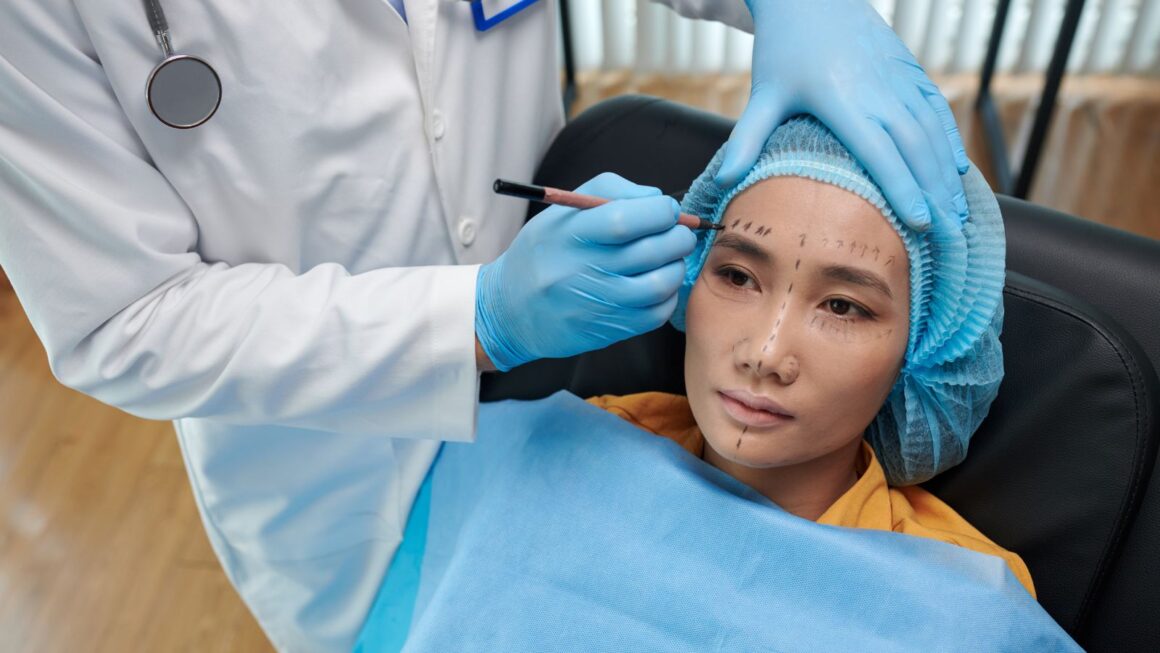
Entering aesthetic medicine requires more than clinical knowledge. Professionals must combine understanding of anatomy, pharmacology, and patient safety with specialized procedural skills. The process begins with foundational education in medical principles and progresses through hands-on experience, certification, and ongoing professional development. Each stage prepares practitioners to deliver treatments safely and effectively while minimizing risks.
Foundational Knowledge and Anatomy
The first step in training is acquiring a deep understanding of facial anatomy, tissue layers, and skin physiology. Professionals learn how muscles, nerves, and blood vessels interact, which is critical for avoiding complications during procedures. Education in pharmacology complements anatomical knowledge: trainees examine how substances like dermal fillers or botulinum toxins interact with tissues, their absorption rates, and potential side effects.
Building a strong foundation allows professionals to move into practical skill development confidently. Without this knowledge, even minor errors can lead to serious complications such as vascular occlusion or nerve injury. Early coursework often combines classroom lectures, visual demonstrations, and guided observation, providing trainees with the context they need to apply theory safely.
Practical and Hands-On Training
Once foundational knowledge is in place, trainees progress to supervised practical sessions. These sessions typically involve cadaver labs, synthetic models, or simulation devices where professionals practice injection techniques, product placement, and treatment planning. Precision in volume, depth, and angle is emphasized, particularly for dermal fillers, which require careful placement to achieve natural results while avoiding vascular compromise.
Supervised practice reinforces theoretical learning. Trainers provide immediate feedback on technique, hand positioning, and patient assessment, allowing trainees to refine their skills before treating live patients. Repetition in controlled settings builds muscle memory and confidence, preparing professionals for real-world procedures. Observation of experienced practitioners complements hands-on work: trainees see patient consultations, risk assessment, and post-treatment care in action, connecting their skills to clinical application.
Structured Certification and Procedure-Specific Training
With practical skills developing, structured certification programs formalize competency. Accredited courses combine theory, practical assessments, and supervised clinical practice to ensure professionals meet industry standards. Certifications are often required to perform aesthetic procedures independently, particularly in regions with strict medical regulations.
These programs also focus on patient safety, consent procedures, and legal responsibilities. Trainees learn to manage complications such as bruising, swelling, or allergic reactions and to document treatments accurately. Procedure-specific training, including dermal filler techniques, provides detailed instruction on injection depth, product selection, and facial region considerations. Practitioners gain targeted expertise in areas critical for patient outcomes, ensuring competence and confidence in specialized treatments. Access to structured programs, such as medical training for aesthetic procedures, allows professionals to practice under guidance and receive feedback from experienced instructors, connecting theoretical understanding to clinical execution.
Clinical Integration and Ongoing Professional Development
After completing certification, professionals integrate their skills into clinical practice. Early work often occurs under supervision, applying training to live patients while gradually managing more complex cases. Exposure to a variety of patient types and facial anatomies consolidates knowledge from pre-clinical and practical training, reinforcing assessment and procedural skills.
Professional development continues with workshops, webinars, and refresher courses. Staying updated on new products, techniques, and safety standards ensures practitioners maintain high-quality results. Mentorship and peer collaboration support continuous learning, providing insights into challenging cases and emerging trends. Documenting education and maintaining certification ensures compliance with regulatory requirements and enhances credibility with patients.
Patient Assessment and Safety
Effective training emphasizes the connection between procedural skill and patient assessment. Professionals learn to evaluate skin type, facial structure, medical history, and treatment goals to develop tailored plans. This assessment informs product choice, dosage, and injection technique, linking training directly to outcomes. Simulation exercises and case discussions help trainees practice decision-making, ensuring treatments are safe, predictable, and customized.
Communication is also part of skill development. Professionals learn to explain procedures clearly, outline expected outcomes, discuss potential side effects, and provide post-treatment care instructions. Strong communication supports informed consent and builds patient confidence, reinforcing the practical application of training.
Risk Management and Complication Response
Training prepares practitioners for complications that may arise despite careful technique. Recognizing early signs of adverse events, responding appropriately, and following established protocols are essential skills. Programs often include simulated emergency scenarios and case reviews to provide hands-on experience in identifying and resolving complications.
Practitioners learn to make immediate clinical decisions, manage patient reactions, and document outcomes accurately. These skills connect previous training stages: anatomical knowledge, procedural practice, and clinical observation all converge in effective risk management, ensuring professionals can maintain patient safety and trust.

Integration of Technology in Training
Technology supports both skill acquisition and continued learning. Online platforms provide video demonstrations, interactive modules, and virtual simulations that reinforce hands-on experience. Professionals can observe live procedures remotely, engage with instructors, and practice techniques in controlled digital environments.
Virtual learning complements in-person training by providing access to international expertise and new procedural developments. These tools maintain continuity between theoretical knowledge, practical application, and ongoing professional development, creating a connected learning experience.
Continuous Skill Expansion
Even after initial certification and clinical practice, aesthetic medicine professionals continue to expand expertise. Advanced courses in non-surgical skin tightening, complex filler techniques, and combination treatments build on prior training. Practitioners can broaden their service offerings while maintaining patient safety and procedure quality.
Networking with peers, reviewing case studies, and participating in mentorship programs allow ongoing refinement of skills. Each stage of development builds on the previous one: foundational knowledge informs practice, practice reinforces understanding, and clinical experience shapes judgment and decision-making.
The Complete Training Journey
Training in aesthetic medicine is a structured progression. Professionals begin with theoretical knowledge in anatomy and pharmacology, advance to supervised practical sessions, achieve certification, integrate into clinical practice, and maintain continuous learning. Each phase connects to the next, building competence, confidence, and professional responsibility.