
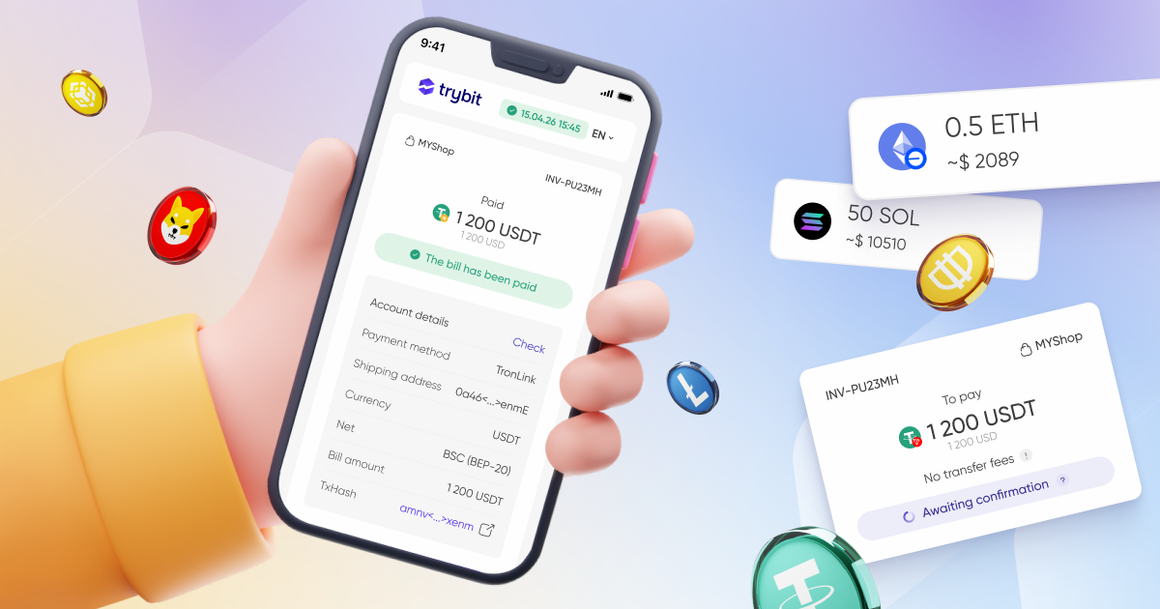
For SaaS founders, digital product teams, and ecommerce operators, cryptocurrency is shifting from speculative asset to operational payment rail. The appeal is clear: access to a global, digitally-native customer base, reduction in card-not-present fraud, and bypassing traditional cross-border payment friction. A maturing infrastructure ecosystem now makes this viable, but integration requires careful architectural decisions around checkout experience, settlement finality, reconciliation, and compliance. This analysis examines the payment modules, integration paths, and risk controls that define serious crypto payment solutions for online businesses.
SERP Analysis and Search Intent
Search engine results reveal two distinct user intents. Technical operators compare hosted checkout widgets against API-first gateways, stablecoin support, and engineering effort. Finance and operations managers seek clarity on settlement workflows, accounting reconciliation, and the path from integration to live transactions. Competitor pages consistently highlight zero chargebacks, global reach, API and webhook reliability, and the operational ease of auto-converting volatile crypto into stablecoin settlements.
For a technical B2B audience, the winning content is a system design guide, not a feature list. It must address key decisions: self-custody versus third-party gateway risk, UX implications of on-chain confirmation times, and backend plumbing to sync payments with existing billing or order management systems.
A payments architect at a high-volume SaaS company notes, “The rule of thumb is to prioritize settlement API stability over the number of supported altcoins. Your finance team needs predictable USDT settlements more than fifty different tokens.”
Deconstructing the Crypto Payment Stack
Accepting digital assets involves composing several logical layers, each with distinct technical and operational considerations. The architecture resembles traditional payment processing but with unique blockchain-specific characteristics that demand specialized handling.
Checkout and Customer Experience Layer
This is the primary customer interaction point where conversion optimization meets technical complexity. Options range from hosted payment pages—redirecting customers to a gateway’s secure environment—to embedded widgets and fully custom API-driven flows. The trade-off is control versus compliance burden. A hosted page, like those from providers such as Trybit, handles regulatory disclosures, wallet connectivity (Web3, WalletConnect), and real-time exchange rate locking off your infrastructure. An API-driven approach offers seamless branding but requires your team to build and maintain the entire payment interface, quote logic, and error handling.
The checkout experience must balance education with efficiency. Crypto-native users expect wallet connectivity and blockchain network selection, while newcomers need clear guidance on transaction confirmation times and network fees. Best practices include displaying countdown timers for price locks (typically 10-15 minutes), providing clear copy about confirmation requirements, and offering QR code options for mobile wallet users. The abandonment rate for poorly explained crypto checkouts can exceed 70%, making UX design a critical success factor.
Settlement and Treasury Layer
This layer manages received cryptocurrency post-transaction and represents where financial operations meet technical infrastructure. The critical choice is between automatic conversion to a stablecoin (USDT, USDC) and holding the volatile native asset. Most businesses choose auto-conversion to mitigate volatility risk between payment receipt and operational use like payroll, vendor payments, or fiat conversion. The settlement model defines cash flow predictability and treasury management overhead.
Settlement timing varies by provider but typically follows a daily batch process. Transactions confirmed throughout the day are aggregated and converted at predetermined exchange rates, then made available for withdrawal. Some advanced gateways offer real-time conversion, though this may involve slightly less favorable exchange rates. Treasury teams should establish clear protocols for wallet management, including multi-signature requirements, withdrawal limits, and cold storage strategies for larger balances.
A fintech operations lead says, “Our settlement workflow is non-negotiable. We schedule automatic daily USDT withdrawals to our corporate treasury wallet, turning crypto payments into predictable, digital-dollar cash flow our accounting system handles. The key was establishing clear reconciliation mapping between gateway transaction IDs and our internal order numbers.”
Integration and Data Layer
This layer connects the payment event to core business logic and represents the most technically complex component. Reliable webhooks are essential for operational efficiency. Upon successful on-chain confirmation, the gateway must fire a webhook to your backend with a unique transaction ID, amount, and customer metadata. This triggers the business action: granting software access, fulfilling a download, or updating an invoice status.
System resilience depends on implementing proper idempotency—safely handling duplicate webhooks without double-provisioning—and clear failure states for pending or failed transactions. Development teams should build retry mechanisms for failed webhook deliveries and maintain idempotency keys to prevent duplicate processing. The data model should account for various transaction states: pending (unconfirmed), confirmed (successful), failed (insufficient gas, expired), and potentially stuck transactions requiring manual intervention.
Advanced implementations include creating separate listening endpoints for different event types: payment confirmations, settlement notifications, and refund updates. This microservices approach allows for more granular error handling and scalability during high-volume periods.
Compliance and Risk Layer
This foundational layer includes Know-Your-Business (KYB) onboarding, Anti-Money Laundering (AML) monitoring, and sanctions screening. Reputable gateways bake this in, performing automated checks before crediting your merchant balance. Your responsibility is providing accurate KYB documentation and understanding the gateway’s policies on prohibited jurisdictions or high-risk transactions.
The compliance workflow typically begins during merchant onboarding, where businesses must provide incorporation documents, ownership structure, and expected transaction volumes. Ongoing monitoring involves transaction pattern analysis, with gateways flagging unusual activity for manual review. Businesses operating in regulated industries should conduct additional due diligence on their gateway’s compliance certifications and audit trails.
Integration Pathways: From Plugins to Headless API
The optimal integration path depends on your platform, tech stack, technical resources, and long-term payment strategy. Each approach carries different implementation timelines, maintenance requirements, and flexibility trade-offs.
Ecommerce Platforms and CMS Plugins
For OpenCart, WooCommerce, or similar CMS users, pre-built plugins offer the fastest path to live acceptance. They add a crypto option at checkout, handling price quoting, address generation, and status updates automatically. These plugins typically provide configuration options for supported cryptocurrencies, settlement preferences, and basic design customization.
The limitation is customization; you’re often bound to the plugin’s predefined design, supported chains, and feature set, which can restrict complex B2B workflows. Plugin-based solutions may not support advanced requirements like subscription billing with crypto, custom invoice workflows, or complex tax calculations. Additionally, plugin maintenance becomes a consideration, as platform updates can break functionality, requiring prompt updates from the plugin developer.
API-First Integration for SaaS and Custom Platforms
SaaS companies with proprietary billing engines or complex digital stores need an API-first approach. This involves two key calls: a request to the gateway’s API to create a payment invoice with a unique amount and address, and a listener for the webhook confirming finality. This method offers maximum control over user flow and data handling.
API-first gateways often support mass payouts, essential for platforms distributing affiliate commissions or creator payouts globally. The implementation typically follows REST principles with JSON payloads, though some providers offer GraphQL endpoints or SDKs for popular programming languages. Key API endpoints usually include:
- Invoice creation with amount, currency, and customer metadata
- Invoice status checking for pending transactions
- Settlement balance and history retrieval
- Payout initiation for mass payments
- Refund processing for customer returns
Advanced implementations might incorporate smart contract interactions for more complex settlement arrangements or multi-party transactions, though this significantly increases development complexity.
The Sandbox to Production Workflow
A professional integration follows a disciplined testing protocol that mirrors traditional payment gateway implementation but with blockchain-specific considerations. Start in the provider’s sandbox environment, which should offer testnet support for major blockchains (Ethereum Goerli, Bitcoin Testnet, etc.).
Implement and test webhook endpoints using tools like ngrok or local tunneling solutions to receive test notifications from the gateway. Conduct end-to-end tests with testnet cryptocurrencies, simulating various scenarios: successful payments, expired transactions, underpaid amounts, and network congestion delays. Verify idempotency handling by sending duplicate webhooks and confirming no duplicate order processing occurs.
Only after passing these checks should you switch to production keys. This de-risks launch and prevents costly provisioning errors. Many teams implement a phased rollout, starting with a small percentage of traffic or specific user segments before full deployment.
Advanced Implementation Considerations
Beyond basic integration, several advanced considerations separate production-ready implementations from basic proof-of-concepts.
Webhook Security and Validation
Webhook endpoints must implement proper security validation to prevent spoofing attacks. Most reputable gateways provide signature verification using HMAC signatures or similar cryptographic validation methods. Your implementation should:
- Validate incoming webhook signatures against a shared secret
- Implement timestamp validation to prevent replay attacks
- Mainrate idempotency keys to prevent duplicate processing
- Log all webhook requests for audit purposes
- Implement retry logic for failed processing attempts
Gas Optimization and Network Selection
Different blockchain networks have varying transaction costs and confirmation times. While the gateway typically handles this abstraction, understanding the trade-offs helps set customer expectations. Ethereum mainnet transactions may have higher fees but broader wallet support, while Layer 2 solutions like Polygon offer lower costs but require user education about network switching.
Some advanced implementations offer users network selection options or automatically recommend optimal networks based on transaction size and current network conditions. This requires maintaining real-time gas price data and network status information.
Multi-Currency Accounting Reconciliation
Accounting for crypto transactions introduces complexity around currency conversion, timing differences, and audit trails. Implement automated reconciliation processes that match gateway settlement reports with internal accounting systems. Key data points to capture include:
- Transaction timestamp and confirmation time
- Exchange rate at time of transaction
- Network fees deducted
- Gateway processing fees
- Final settlement amount and currency
Many accounting platforms now offer crypto-specific integrations or API connections that automate much of this process, though custom implementations may require building middleware connectors.
Fraud and Risk Management
While crypto payments eliminate traditional chargeback fraud, they introduce new risk vectors requiring specific controls.
Transaction Monitoring
Implement monitoring for suspicious patterns: rapid successive transactions from same wallet address, transactions from known high-risk addresses, or amounts significantly different from typical order values. Many gateways provide built-in risk scoring, but businesses should layer additional monitoring based on their specific risk profile.
Address Screening
Screen wallet addresses against known sanctions lists and blacklists. While gateways typically perform this screening, businesses operating in highly regulated industries may want to implement additional screening at the application level for defense in depth.
Customer Education and Support
The most common support issues involve user error: sending wrong amounts, using wrong networks, or misunderstanding confirmation times. Implement clear educational materials throughout the checkout process and prepare support teams with troubleshooting guides for common blockchain transaction issues.
Limitations and Trade-offs
Digital asset payments introduce operational complexities that must be thoughtfully addressed. While card chargebacks are eliminated, on-chain transactions are irreversible, requiring proactive customer service, clear refund policies, and dispute resolution workflows. This irreversibility means businesses must maintain higher customer service standards and more flexible refund policies to build trust.
Checkout UX can suffer if it poorly educates non-crypto-native customers on wallet confirmations, network fees, and address verification. The learning curve for new users remains significant, and abandonment rates typically run higher than traditional payment methods until users become familiar with the process.
Accounting reconciliation, though improved by detailed exports and stablecoin auto-conversion, may still need manual mapping to general ledger codes without native software support. Most accounting systems still treat cryptocurrency as alternative assets rather than payment methods, creating workflow challenges for finance teams.
Regulatory clarity is evolving across jurisdictions; a compliant gateway provides a shield, but you retain responsibility for your operational footprint. Businesses must monitor regulatory developments in their operating jurisdictions and customer markets, as crypto payment regulations continue to evolve rapidly.
Liquidity management introduces additional complexity, particularly for businesses operating in multiple cryptocurrencies or stablecoins. While auto-conversion simplifies this, businesses still need to manage multiple wallet balances and understand the liquidity characteristics of different assets.
A content strategist with experience in payment operations notes, “The trade-off is often speed-to-market versus long-term flexibility. A plugin gets you live in days, but a custom API integration, while taking weeks, future-proofs your checkout and aligns with a sophisticated SaaS product roadmap. The decision should be based on your transaction volume, technical resources, and strategic importance of payments to your business model.”
Operational Workflows and Support Considerations
Successfully operating crypto payments requires establishing clear internal workflows across multiple teams.
Customer Support Protocols
Support teams need specialized training for crypto-related inquiries. Common issues include:
- Transaction confirmation delays due to network congestion
- Users sending incorrect amounts or to wrong addresses
- Network selection errors (sending Ethereum to Bitcoin address)
- Wallet connectivity issues
Establish clear escalation paths for transactions requiring manual investigation and maintain relationships with your gateway’s support team for complex issues. Document typical resolution times for different scenarios to set accurate customer expectations.
Finance and Accounting Workflows
Finance teams need adapted processes for crypto reconciliation. Implement regular reconciliation between gateway balances, accounting system records, and actual wallet balances. Establish clear policies for handling price volatility in accounting, treatment of network fees, and tax reporting requirements for crypto transactions.
Monthly closing procedures should include verification of crypto asset valuations, reconciliation of transaction fees, and review of any unusual transactions. Many businesses find it helpful to maintain separate general ledger accounts for different cryptocurrencies and stablecoins to simplify reporting.
Security and Access Controls
Implement strict access controls around payment operations. Limit production wallet access to essential personnel, use multi-signature setups for larger balances, and establish clear approval workflows for large withdrawals or treasury movements. Regularly audit access logs and maintain comprehensive documentation of security procedures.
FAQ
How do crypto payments settle, and when do I receive funds?
Funds typically settle in two stages. First, the customer’s on-chain transaction must reach required network confirmations, taking seconds to minutes depending on network congestion and gas fees paid. Second, the gateway credits your merchant balance after internal confirmation and risk screening. Most gateways process settlements in daily batches, with funds becoming available for withdrawal within 24-48 hours after transaction confirmation. From there, you can configure automatic withdrawals in stablecoin to your corporate wallet on a schedule that matches your cash flow needs.
Can I issue refunds through a crypto payment gateway?
Yes, reputable gateways provide refund APIs or dashboard functions. Refunds are processed from your merchant balance back to the customer’s wallet, usually in the original cryptocurrency or stablecoin equivalent at current exchange rates. The process typically requires maintaining sufficient balance in your merchant account to cover refunds, and may involve network fees that are either absorbed by the merchant or deducted from the refund amount. Establish clear refund policies that account for crypto’s price volatility between purchase and refund timing.
How do crypto payments integrate with my existing subscription billing system?
Integration occurs primarily via webhooks. Upon successful payment confirmation for a subscription payment, the gateway sends a webhook to your billing system with subscription ID and transaction details, updating the paid-through date. The implementation must handle various scenarios: failed payments requiring retry logic, expired payment requests, and subscription upgrades/downgrades that affect billing amounts. Many businesses implement additional polling mechanisms as a backup to webhooks for critical billing events.
What are the main compliance requirements for accepting crypto?
Primary requirements include completing KYB verification during sign-up and adhering to the gateway’s AML and sanctions policies. The gateway typically screens transactions automatically; you ensure product legality in customer jurisdictions and maintain accurate records. Additional considerations include: monitoring regulatory developments in your operating jurisdictions, implementing appropriate consumer disclosures about the irreversible nature of crypto payments, and maintaining audit trails for all transactions. Businesses in regulated industries (financial services, healthcare) may need additional compliance measures.
How do handle tax reporting for crypto payments?
Tax treatment varies by jurisdiction but generally involves tracking the fiat value of crypto received at the time of transaction. Most gateways provide transaction exports with fiat equivalent values that can be integrated with accounting software. Work with your tax professional to establish appropriate procedures for your jurisdiction, particularly around handling gains/losses from currency conversion and treatment of network fees as business expenses.
Final Analysis and Next Steps
Evaluating crypto payment infrastructure is an exercise in operational design that requires cross-functional collaboration between technical, financial, and compliance teams. Focus on selecting a partner whose settlement model, API reliability, and compliance framework align with your risk tolerance and technical capabilities. The ideal gateway should offer transparent pricing, robust documentation, responsive support, and a clear roadmap for supporting emerging blockchain standards.
For teams seeking global reach, stablecoin settlement, and lower integration footprint, exploring a comprehensive gateway like Trybit offers a practical reference for modern, enterprise-grade processing. Their approach to automated stablecoin conversion, webhook reliability, and merchant tools addresses many of the operational challenges discussed in this analysis.
Begin with a technical audit: map your checkout flow, define treasury preferences, and test partners’ webhook reliability in sandbox environments. Consider running a pilot program with a limited product line or user segment to validate assumptions before full deployment. This measured approach transforms digital assets from speculative concept into a functional, scalable payment rail that can drive growth in digitally-native markets.
The implementation checklist should include: API integration testing, webhook endpoint security, customer communication templates, support team training, accounting workflow design, and compliance review. With proper planning and partner selection, crypto payments can become a valuable addition to your payment strategy, particularly for reaching global customers and reducing payment friction.
Written by a B2B fintech content strategist with hands-on experience mapping crypto checkout flows, stablecoin settlement, merchant payment operations, API integrations, and ecommerce conversion trade-offs for SaaS and online commerce teams.