
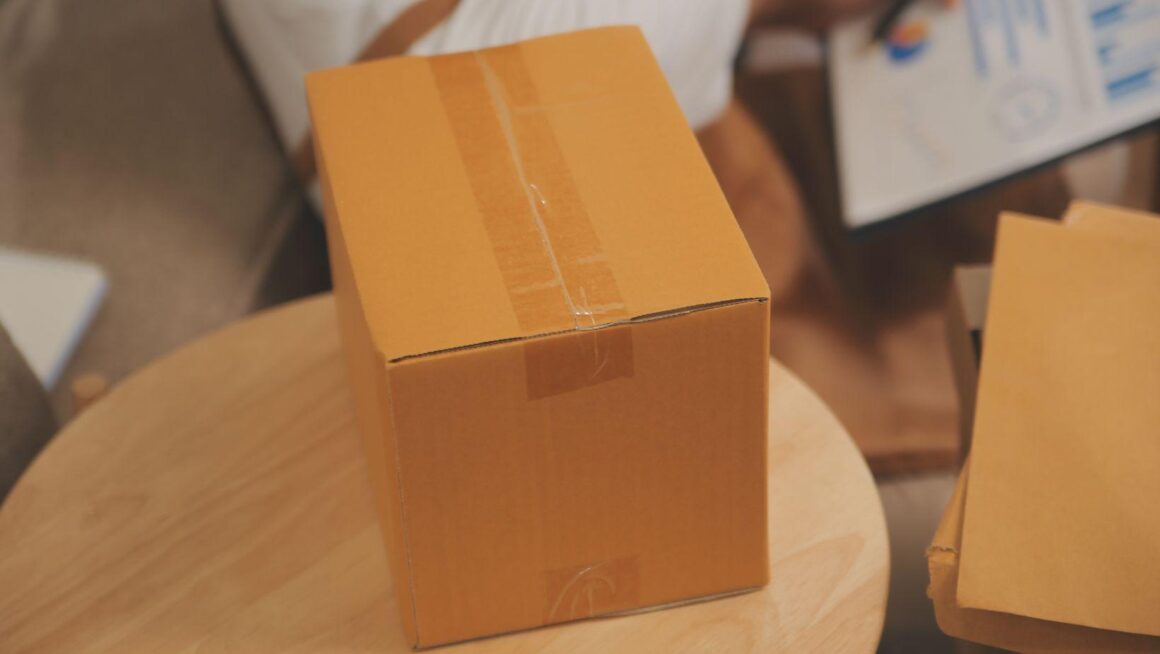
International delivery requires more information than a local shipment because the parcel must pass through carrier and customs procedures. When you send a parcel overseas, accurate details about the sender, recipient, contents, and value help prevent avoidable delays. Preparing this information before packing makes it easier to complete labels and declarations.
What Details Should You Collect Before Shipping?
Start by confirming information with the recipient rather than relying on an old message or saved address. Before completing the shipment, collect and verify these details:
Check spelling and numbers because one incorrect character can affect routing or communication. The information on the label, customs declaration, and internal shipping record should match.
Why Must the Contents Be Described Accurately?
Customs authorities need to understand what is entering the destination country. Broad descriptions such as “items,” “things,” “accessories,” or “gifts” do not provide enough detail. A description should name the actual product, such as “cotton T-shirt” or “stainless steel kitchen spoon.”
Include the quantity and material when they help identify the product. If a parcel contains three different items, list them separately instead of combining them under one general description. This approach supports correct classification and makes the declaration easier to review.
The declared value should reflect the contents, even when the parcel is a personal gift. A low or incomplete declaration does not guarantee that taxes will be avoided and may cause questions, reassessment, or delays. Keep receipts or other supporting records when they are available and relevant.
Country of origin refers to the place where an item was manufactured, produced, or substantially transformed. It is not automatically the country where the sender lives or bought the product. Check labels, packaging, invoices, or manufacturer information when the origin is unclear.
Some products may be prohibited or restricted by the carrier, departure country, or destination country. Batteries, liquids, aerosols, medicines, food, cosmetics, alcohol, and sharp objects often require additional checks. Confirm the applicable rules before sealing the box because acceptance in one country does not guarantee entry into another.
How Can You Prevent Address and Document Errors?
Ask the recipient to provide the address exactly as it should appear for local delivery. Include apartment, building, floor, unit, district, province, or region details when they are part of the official address. Do not translate street names unless the carrier’s instructions specifically require it.
A telephone number and email address allow the carrier or local delivery partner to contact the recipient if clarification is needed. Include the correct international dialing code and remove unnecessary local prefixes. Tell the recipient to monitor messages during the estimated delivery period.
Complete every required field and avoid handwritten corrections that are difficult to read. If information changes, prepare a new label or form rather than writing over the original entry. Keep a copy of the customs declaration, shipping confirmation, and tracking number until the parcel has been delivered.
The return address should be complete. If the parcel cannot be delivered or accepted, the carrier may need instructions for returning or otherwise processing it. An outdated return address can make an already complicated situation harder to resolve.
What Should Be Checked Before the Parcel Is Handed Over?
Pack the items first, then measure and weigh the finished parcel. Packaging materials affect both weight and dimensions, so figures taken before packing may be inaccurate. Use a rigid box for vulnerable contents, wrap items separately, and fill empty spaces to prevent movement.
Compare the name and address on every document with the information provided by the recipient. Confirm that the contents, quantities, values, origin countries, and shipment purpose are consistent across the declaration and supporting records. Resolve any difference before the parcel enters the delivery network.
Take a photograph of the packed contents before closing the box and another of the sealed parcel with its label. These images create a record of the packaging and condition at dispatch. Store them with the tracking number and copies of relevant documents.
Finally, review the carrier’s packaging and customs guidance for the destination. Requirements can differ according to the route, contents, and service selected. Careful preparation protects the parcel, supports customs processing, and gives both sender and recipient clearer information throughout delivery.
Accurate data is the foundation of a smooth international shipment. For reliable parcel delivery from the United States and helpful shipping tools, senders can choose Meest-America.