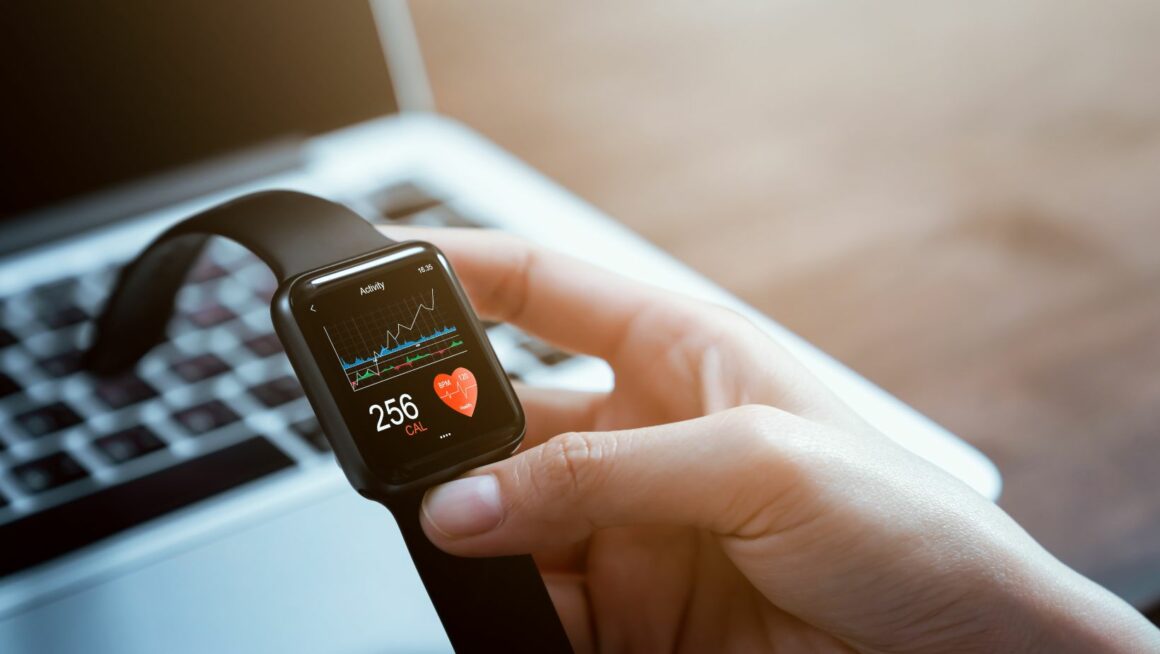
Consumer tech has quietly rewritten how people manage their health. Smartwatches flag irregular heartbeats before a cardiologist would ever see one, while continuous glucose monitors turn a once-a-day fingerprick into a running data feed. That same shift is now reaching one of the most closely watched periods in medicine: pregnancy.
Wearable devices let doctors track a pregnant patient’s vitals continuously, from home, weeks before delivery even starts, replacing a model built on a handful of scheduled appointments and a fetal heart monitor strapped on during labor.
For high-risk pregnancies, that shift matters. Conditions like preeclampsia, gestational diabetes, and placental insufficiency can develop gradually, with early warning signs that show up between scheduled checkups rather than during them. Continuous monitoring closes that gap, at least in theory.
How These Devices Actually Work
Most maternal wearables fall into two categories. The first tracks the mother: blood pressure cuffs that sync to an app, smart patches that log heart rate and temperature, and glucose monitors that flag abnormal spikes in real time. The second tracks the fetus, using external Doppler sensors or belt-mounted monitors that record fetal heart rate and movement patterns outside a hospital setting.
Companies building these tools aim to give physicians a data stream instead of a snapshot. A single blood pressure reading at a 20-minute appointment tells a doctor very little. A week of readings, timestamped and trending upward, tells a very different story.
What They Catch, and What They Miss
Wearables have undergone a lot of innovation in recent times. Most modern gadgets are good at surfacing patterns that a monthly appointment simply can’t see. The gradual changes they catch include:
- A steady rise in blood pressure over several days, rather than a single reading in an office
- A fetal heart rate that dips during specific hours, invisible without continuous tracking
- A glucose curve that spikes after certain meals, showing a pattern instead of a snapshot
What they’re not good at is replacing a doctor’s judgment during labor. A wearable can track the baby’s heart rate, but reading that pattern still takes training. A confusing reading might mean nothing, or it might mean the delivery needs to happen right now. Making that call correctly and fast still comes down to the nurse or doctor in the room. This is where the technology’s promise runs into its limits:
- A wearable device can only generate the data
- It cannot guarantee that someone is watching that data in real time
- It cannot substitute for a timely response when a tracing turns abnormal
What Prevention Actually Looks Like
Preventing childbirth injuries rarely comes down to a single fix. It’s a combination of earlier detection, clearer escalation paths, and hospitals treating warning signs as urgent rather than routine. Wearables can flag a problem sooner than a scheduled appointment would, but prevention only works if that earlier warning changes what happens next: a faster consult, an earlier intervention, or a lower threshold for calling in a specialist.
When that chain breaks, the results can be lasting for both mother and baby. Resources like https://www.childbirthinjuries.com/ help families educate themselves on such situations so that they aren’t left alone in piecing together what went wrong after the fact.
Endnote
Pregnancy technology has come a long way. Not long ago, expectant mothers only found out how their pregnancy was going once a month, at a scheduled visit. Now, wearables let them and their doctors keep an eye on things every single day, from home, without extra trips to the clinic. That’s a real benefit, especially for anyone with a high-risk pregnancy who needs closer attention.