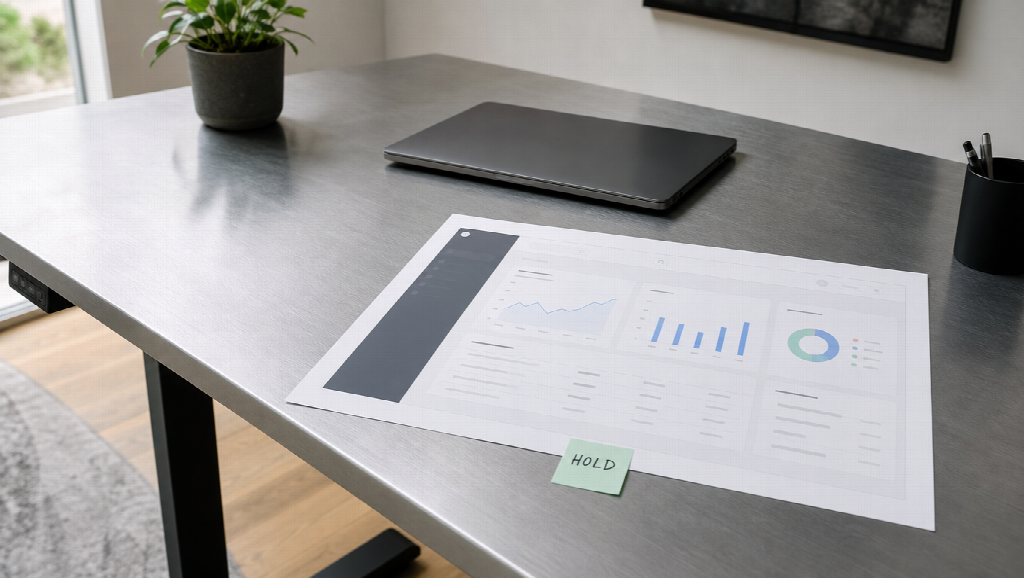
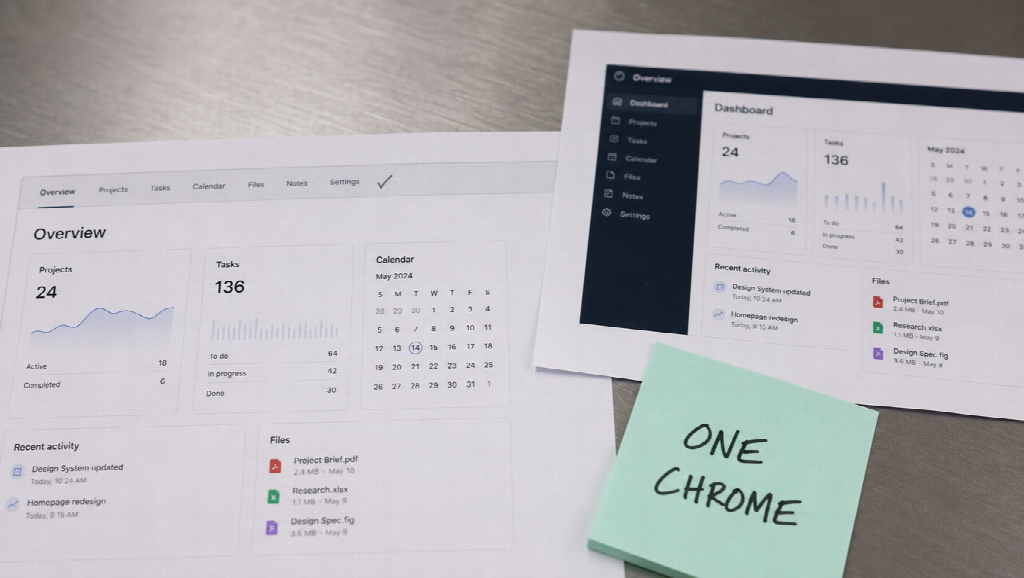
Most “best AI video generator” roundups still grade dragons and city fly-throughs. Software teams do not ship dragons. They ship a product clip: the same dashboard, the same empty state, a cursor that does not teleport, and a hold long enough for a URL.
That is a different job from a five-second social wiggle, and it is a different job from a cinematic B-roll pack. This ranking uses one SaaS brief on purpose, then scores generators against that brief — the same “what it does best” structure you would expect from a software evaluation, not a trailer contest.
The brief: a 16:9 plus 9:16 pair for a B2B feature launch. Open on the real UI still. Show one workflow (invite a teammate, export a report, or connect an integration). Hold the same chrome through the last frame. Prefer one 15–30 second pass over five stitched orphans. Optional: a 8–12 second native-sound punch for the changelog thread.
TL;DR
There is no universal best generator. There is a best slot for a SaaS product clip.
- Seedance 2.5 — best overall for a 15–30 second, reference-locked product beat
- Runway — best if your team already lives on a generative timeline
- Kling — best for a photoreal hero insert around the product, not as the whole demo
- MiniMax H3 — best 5–15 second launch punch with picture and sound together
- HeyGen — best talking-head release-notes layer, not a UI demo engine
If you only remember one line: pick the tool that keeps the same app on screen, not the tool with the prettiest unrelated motion.
How we evaluated
We ranked software marketers, product marketers, and small design-eng teams — the readers already comparing apps and workflows on a tech blog — not for film-school showcases.
- Identity lock. Does a UI still, a logo, and a device frame survive 20 seconds?
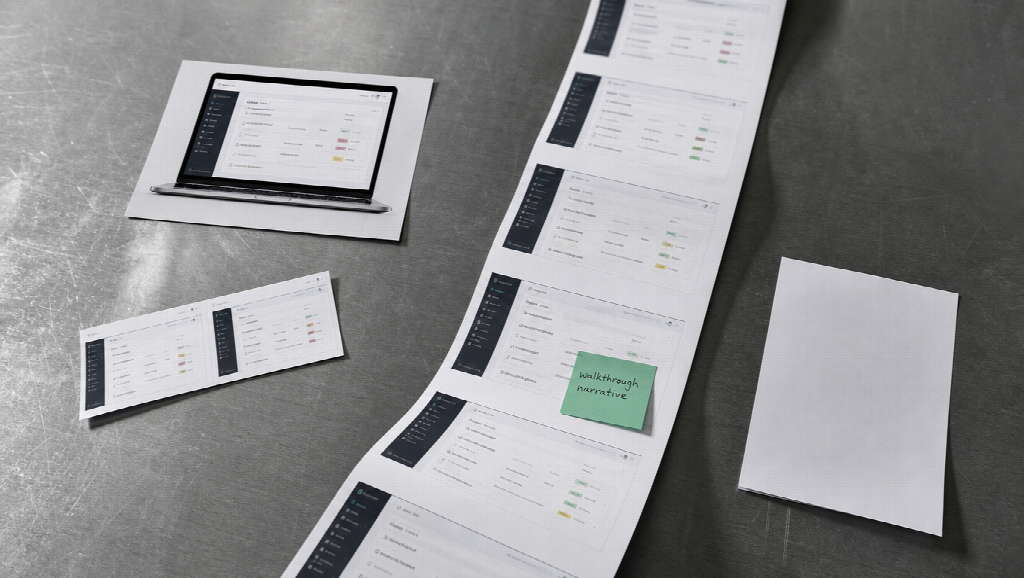
- Length vs stitch tax. Can the clip hold setup → proof → hold, or will you glue five 8-second clips and invent a second navbar?
- Direction. Can you write second ranges, or only a vibe prompt?
- Audio. Is sound a first-class input, or a mute plate you Foley later?
- Seat on the team. PMM vs motion designer vs founder doing it at 11 p.m.
- Category honesty. A model is not a timeline suite and not an avatar platform. We still list them because SaaS teams actually mix those jobs. We do not pretend they are the same SKU.
No fake 9.4/10 scores. “Best for” is the score.
Best AI video generators for SaaS product clips (2026)
|
Rank |
Tool |
Type |
Best for this brief |
|
1 |
Seedance 2.5 |
Video model |
Coherent 15–30s UI/product beats with a fat reference kit |
|
2 |
Runway |
Generative suite |
Teams that generate and cut in one editor |
|
3 |
Kling |
Video model |
Short photoreal motion around the product |
|
4 |
MiniMax H3 |
Video model |
5–15s native-AV changelog / social punches |
|
5 |
HeyGen |
Avatar platform |
Presenter-led release notes, not pixel-true UI |
1. Seedance 2.5 — best overall for the 15–30 second product beat
If the deliverable is “one feature, one proof, one hold,” start here.
Seedance 2.5 is a multimodal AI video model for coherent clips up to about thirty seconds from text plus image, video, and audio references, with timing and storyboard-friendly direction. That maps onto a SaaS clip almost one-to-one: attach the dashboard PNG, the device photo, the logo lockup, optional cursor-screencast as motion reference, write 0–6s / 6–18s / 18–30s, generate one pass.
Best for: product marketers who already have a kit (UI stills, brand frame, a music bed they own) and need the chrome to stay honest through a CTA hold.
What it is not: a six-minute feature film, a caption generator, or a rival to an NLE. It is the execution lane for the expensive middle of the launch video.
Watch-outs: conflicting stills (old UI + new UI in one folder) will be settled badly. Review the navbar before you fall in love with the lighting. Do not ask it to reprint another company’s product.
2. Runway — best generative suite if you already edit there
Runway remains the default for teams that want generation sitting next to a real editor: iterate a shot, drop it on a timeline, try again without exporting to a third app.
Best for: motion-comfortable marketers and editors who will assemble a 30-second SaaS spot from several generations plus screen capture.
Limit for this brief: many working setups still think in shorter generations. If your “demo” is five beautiful 6-second clips with three different sidebars, you did not beat Seedance 2.5 at the job. You built an edit. That can be the right call when you need frame-level control. It is the wrong call when you need one proof shot and a Friday deadline.
3. Kling — best photoreal hero insert, not the whole walkthrough
Kling-class models still win a lot of “this has to look like a commercial” stills-with-motion: office B-roll, hands on a laptop lid, a city that is not your actual HQ.
Best for: a 5–8 second open or cutaway that sits around the product.
Limit for this brief: a photoreal laptop is not your app. If the launch video never shows the real UI, engineering will reject it. Use Kling as a second unit. Keep the product beat on a reference-heavy 15–30 second model.
4. MiniMax H3 — best short native-AV punch for the changelog
Release week lives in Slack, LinkedIn, and a 9:16 first frame. That file should click, whoosh, or hit a chord in the clip, not as a mute plate you score on Sunday.
MiniMax H3 is a multimodal video model for short audiovisual clips: text plus image, video, and audio references, native stereo output, roughly 5–15 seconds at up to 2K on hosted generators.
Best for: “shipped” bumpers, merch-free UI flashes, 10-second “now in beta” hits, first-frame tests while the 25-second Seedance beat is still rendering.
Limit for this brief: do not stitch twelve H3 clips and call it a product tour. Different rooms, different navbars. Same stills as the long beat; different duration.
Seedance 2.5 and MiniMax H3 are both models. Rank them by length and native AV, not as two homepages in a cage match.
5. HeyGen — best talking-head release notes
Avatar and lip-sync platforms still win when the video is a person explaining the changelog: multilingual sales clips, CS enablement, “what’s new in 2.4.”
Best for: presenter-led explainers where the product is a cutaway, not the hero identity lock.
Limit for this brief: an avatar pointing at a hallucinated UI is worse than a still. Capture or generate the real product beat separately; let HeyGen do the face.
How a software team should actually pick
- Is the hero the UI? Yes → Seedance 2.5 (or screen capture + light grade). No → Kling or stock for atmosphere.
- Do you need 15–30 seconds of the same chrome? Yes → do not default to an 8-second social model.
- Is the file a Slack/LinkedIn punch with sound? MiniMax H3.
- Is the file a person talking? HeyGen-class.
- Are you already on the Runway every day? Stay, but do not pretend a pile of short gens is one product proof.
Skip wrapper sites that only reskin one model and add a login. Skip anything that cannot take a still of your app. Skip “cinematic” as the only prompt on a pricing-page clip.
FAQ
Is there a single best AI video generator in 2026? No. Best for a SaaS product clip is not best for a music visualiser or a talking-head course.
Can I skip real screen recording? If the UI must be legally and visually true, record the workflow, then generate only the wrap (open, lifestyle insert, hold). Generators help most when the kit is honest.
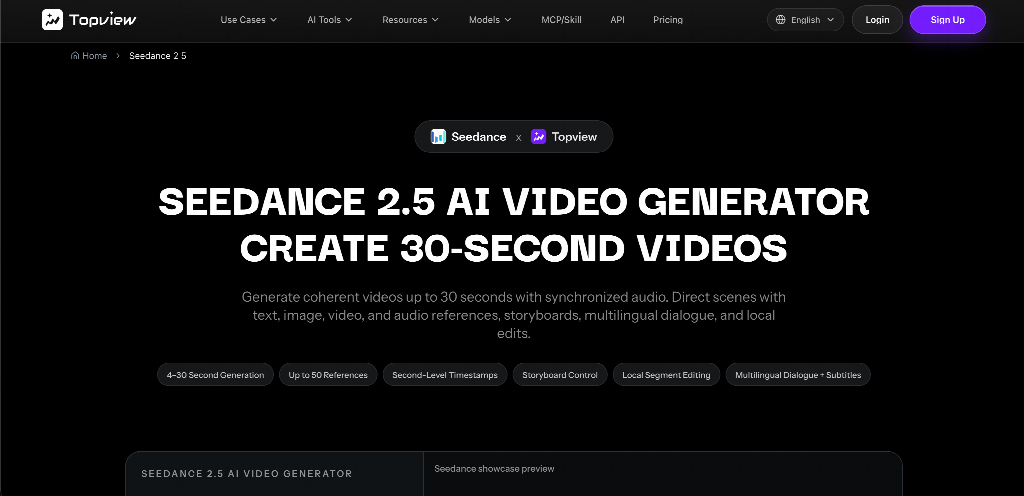
Where do Seedance 2.5 and MiniMax H3 run? On hosted workspaces such as Topview, as generation lanes — not as a replacement for Figma or your editor.
Bottom line
For SaaS teams in 2026, the best AI video generator is the one that survives a product review: same dashboard, same type, a hold for the link.
Seedance 2.5 is the best model we would put on that 15–30 second proof. MiniMax H3 is the best model for the 5–15 second native-AV punch. Runway, Kling, and HeyGen still win their own slots. Collect fewer logos. Keep the navbar.