Medical emergencies in office environments require immediate action long before paramedics arrive. This guide explains why modern workplaces must prioritize physical safety, what practical life-saving skills employees actually need, and how flexible training programs keep your team prepared and legally compliant.
You are deep into a complex coding sprint. Headphones are on, coffee is flowing, and the office is quiet. Suddenly, a coworker two desks over collapses out of their chair. Would your team know what to do next? In tech spaces, we focus heavily on digital security, but physical safety often falls right through the cracks. It happens a lot more often than you think. That is exactly why bringing in Coast2Coast First Aid Training is a smart move for any modern business. It turns everyday employees into capable, confident first responders.
Why Do Tech Companies Overlook Physical Safety?
Modern office environments feel incredibly safe. There are no heavy machines, hard hats, or hazardous chemicals lying around. But medical emergencies like sudden cardiac arrest, severe allergic reactions, or choking do not care about your industry. They can strike anywhere, at any time.
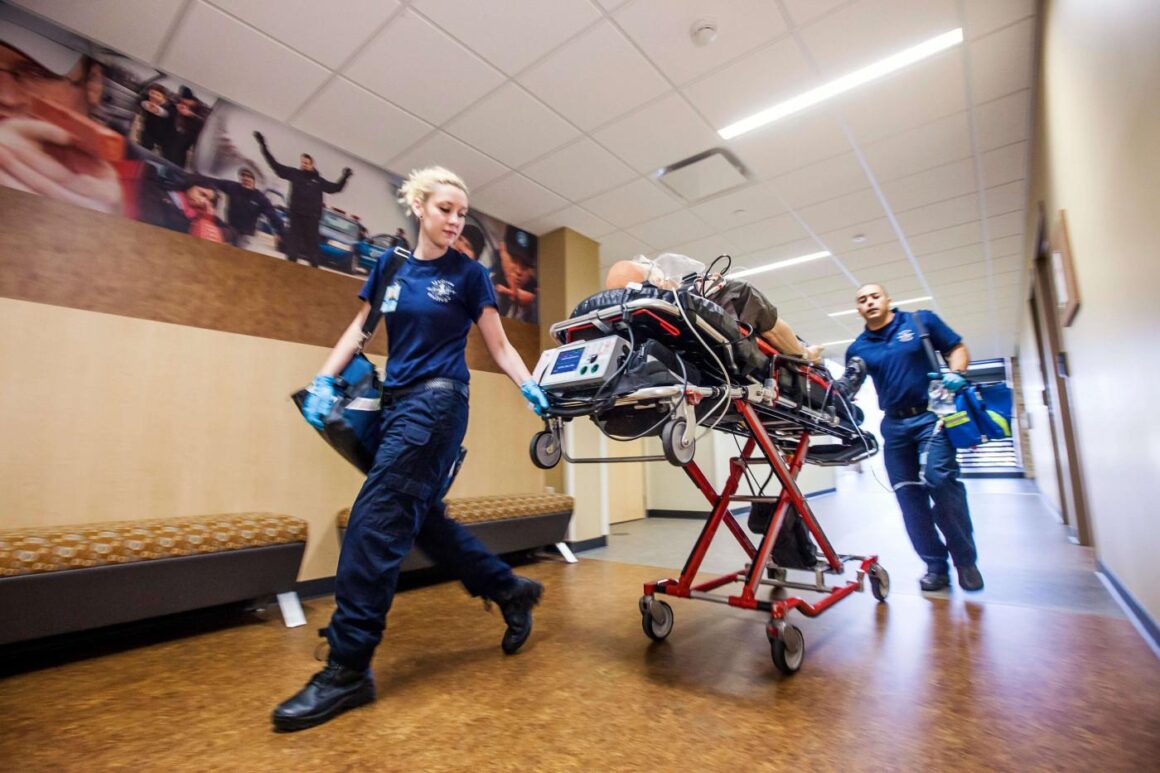
When a crisis hits, standing around waiting for 911 simply takes too long. Brain damage begins within minutes of oxygen deprivation. Every passing second drastically drops a person’s chance of survival. Having staff on-site who actually know how to perform CPR or use a defibrillator buys precious time until professional help walks through the door.
What Actually Happens During Blended Certification?
No one wants to lose two full workdays sitting in a stuffy classroom. Tech professionals love efficiency. That is exactly why a blended learning approach works so beautifully for busy teams.
You complete the heavy theory online whenever you have free time—even on your commute. Then, you step into the classroom for a short, hands-on practice session. Here is what you actually do during that physical training:
- Chest Compressions: Finding the exact rhythm and depth needed to manually keep blood pumping.
- AED Training: Following the automated voice prompts of a defibrillator so you never freeze up under pressure.
- Choking Relief: Practicing abdominal thrusts to clear blocked airways quickly and safely.
How Does This Help With Legal Compliance?
Did you know having certified staff is actually a legal requirement? Across Canada, provincial safety boards require businesses to have a specific number of trained personnel on duty at all times. If you ignore this, your company could face hefty fines.
Our courses are fully WSIB/OHS approved. Getting your team certified protects your company legally and creates a culture where employees genuinely feel looked after. It is a win-win for everyone involved.
If you are looking for first aid training near the ByWard Market, the intersection of Rideau Street and King Edward Avenue, or other areas close to Sandy Hill, then you may reach out to Coast2Coast First Aid/CPR – Ottawa in that area. We help local tech teams and residents get certified quickly and easily.
What Are the Most Common Questions About Office First Aid?
1. How long does the online theory take to complete? It varies depending on the course level, but the online modules usually take between three to four hours. You can start, stop, and save your progress as you go.
2. Will I need to take time off work for this? With blended learning, your away-from-desk time is cut in half. The in-person session is highly focused on practical skills, meaning you spend much less time in the classroom compared to traditional courses.
3. Do tech offices really need an AED on site? While it might not be strictly mandated for every single small office, having an Automated External Defibrillator (AED) is highly recommended. It is the only effective treatment for restoring a normal heart rhythm during sudden cardiac arrest.
4. How long is my certification good for? Standard and Emergency First Aid certificates are valid for three years. To maintain compliance, you will need to complete a quick recertification course before your current certificate expires.
5. What is the difference between CPR Level C and BLS? CPR Level C is meant for the general public and covers adult, child, and infant techniques. Basic Life Support (BLS) is a specialized, faster-paced course designed specifically for healthcare professionals and first responders.