
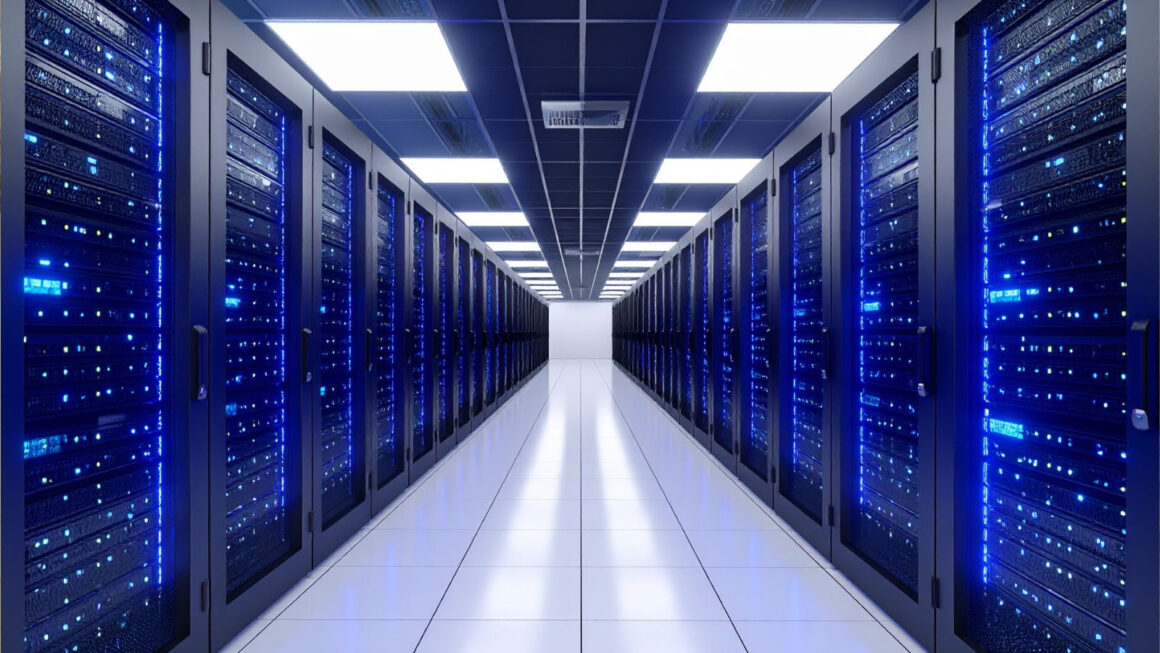
Ask any professional player what determines a win, and they’ll point to mechanical skill, team communication, or perhaps a clutch ultimate. But beneath the surface of every pixel-perfect headshot lies a silent, complex infrastructure that makes it all possible. The evolution of high-speed networking hasn’t just improved the gaming experience; it has fundamentally rewritten the rules of engagement for the digital age.
The frustration of a “ghost shell” or a micro-stutter in the middle of a team fight is a universal pain point for anyone who has ever competed online. It’s a feeling of powerlessness—knowing the input was correct but the execution was betrayed by a millisecond of lag. For those following the cutting edge of the industry at EsportsGG, it’s clear that the gap between amateur play and professional-grade performance is bridged by the stability of the connection.
Here is how the current landscape of network architecture is shaping the future of competition.
The Latency War: Why “Fast” Isn’t Enough
In the world of high-stakes digital competition, bandwidth—the raw “speed” most ISPs market—is often a secondary concern. The true metric of success is latency, or the time it takes for a data packet to travel from a local machine to the server and back.
While a standard fiber connection is impressive, the professional circuit relies on dedicated routing and peering agreements. When data has to hop through ten different nodes before hitting a game server, the physical distance becomes a liability. This is why we see “ping equalization” becoming a standard feature in modern titles, attempting to level the playing field for players who aren’t lucky enough to live next door to a data center.
Key Factors Impacting Packet Flow:
- Jitter: The variance in latency. A stable 60ms ping is often better than a connection that fluctuates wildly between 20ms and 100ms.
- Packet Loss: Information that simply vanishes in transit, leading to “rubber-banding” where players warp back to previous positions.
- Subsea Cables: The literal physical wires on the ocean floor that dictate how regions like EMEA and NA interact during international qualifiers.
Software Optimization and the Netcode Revolution
Hardware is only half the battle. The “netcode”—the software layer that handles game state synchronization—has seen a massive overhaul in recent years. Specifically, the industry-wide shift toward Rollback Netcode has been a game-changer for the fighting game community and beyond.
Unlike traditional delay-based netcode, which waits for input from both players before showing an action, rollback uses predictive algorithms to “guess” the next frame. If the guess is wrong, it corrects it instantly. This technology has effectively deleted geographical borders, allowing a player in London to compete against someone in New York with a feel that mimics a local area network (LAN).
The Rise of Edge Computing in Tournament Play
As competitive ecosystems grow, the demand for localized server clusters has skyrocketed. This is where Edge Computing enters the frame. Instead of routing all traffic to a massive central hub in Virginia or Frankfurt, developers are deploying smaller “edge” nodes closer to the actual player base.
| Network Type | Average Latency (ms) | Best Use Case |
| Standard Fiber | 20-40ms | Casual ranked play |
| Edge Node Routing | 5-15ms | Regional qualifiers |
| On-Site LAN | <1ms | Major championships |
Export to Sheets
By pushing the processing power to the edge of the network, organizations can ensure that the integrity of the game remains intact, regardless of how many thousands of viewers are simultaneously pulling data from the same infrastructure. According to reports from The IEEE Communications Society, the integration of 5G and edge nodes is set to reduce mobile gaming latency by up to 90% by the end of the decade.
Synchronicity and the Viewer Experience
It isn’t just the players who rely on this infrastructure; the spectator experience is equally dependent on it. Modern broadcast “observers”—the virtual cameramen of esports—require a perfectly synced data stream to capture the action for millions of viewers.
If there is a desync between the game server and the broadcast relay, the “hype” of a live play is ruined. We are seeing a massive investment in high-fidelity data visualization tools that pull real-time stats directly from the game’s API. This level of integration is only possible because of the massive leaps in data throughput we’ve seen since 2020.
As noted in the Internet Society’s latest findings on global infrastructure, the demand for low-latency paths is no longer a niche requirement for gamers—it is the new standard for all real-time digital interaction.
The Path Forward: Fiber and Beyond
The next five years will likely see a move toward “Petabit” networking and the widespread adoption of satellite constellations for rural areas. While fiber optics remain the gold standard, the goal is universal access to high-performance nodes.
The competitive landscape has moved away from who has the best local setup and toward who can most effectively navigate the global network. The “Invisible Backbone” is no longer just a luxury; it is the fundamental ground upon which every digital victory is built.
The Verdict: While skill will always be the deciding factor on the scoreboard, the quality of the network is what ensures that skill is actually represented fairly. The future of competition isn’t just about faster players—it’s about faster paths.
Note on Digital Activity: All forms of online engagement involve inherent risks. Ensure your digital footprint is managed through secure, reputable platforms. For more information on maintaining a balanced digital lifestyle, visit BeGambleAware.org.