
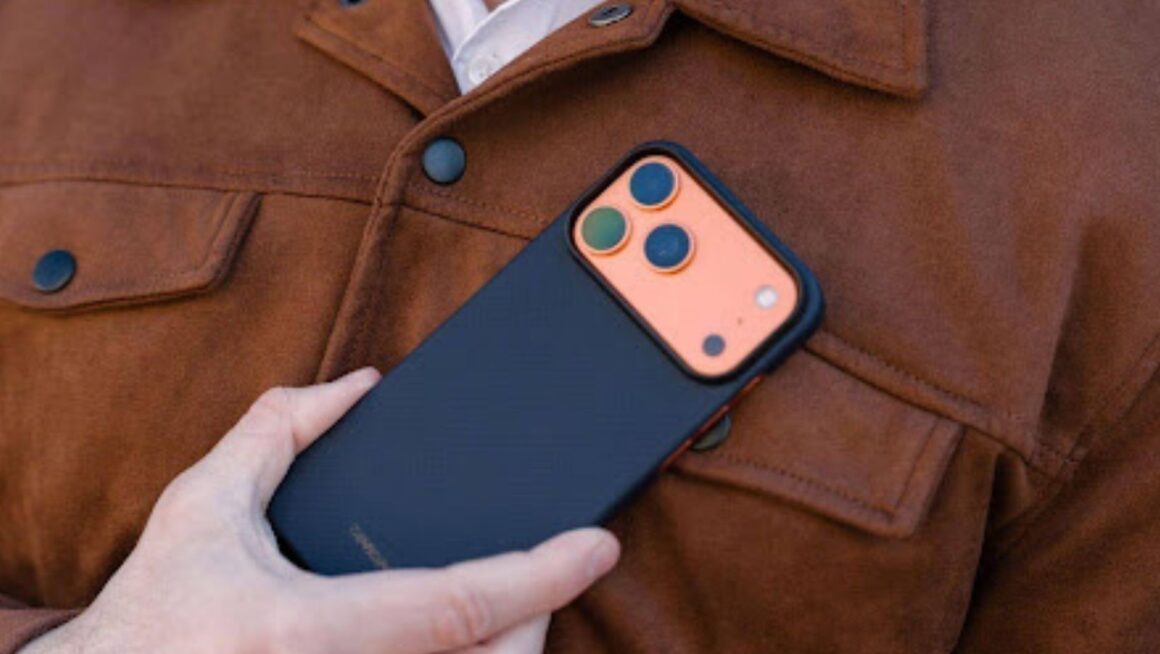
Instead of automatically wrapping phones in thick, rugged cases, more people are starting to question whether that’s even necessary. Modern smartphones are already well-built, so adding bulk simply affects how they feel more than how they function.
That’s part of the reason why the thin phone case is gaining traction in 2026. It’s not just about going lighter – it’s about making phones easier to use, carry, and fit into everyday routines.
The Problem with Traditional Bulky Cases
Bulky cases still have their place, especially in high-risk environments. But for everyday use, the downsides tend to show up quickly. Extra thickness makes phones harder to hold, more noticeable in your pocket, and heavier over time.
There’s also the way they affect usability. One-handed use feels less natural, and even simple tasks like typing or reaching across the screen can take more effort than they should.
At the same time, phones themselves have become more durable. Stronger glass and improved frame designs mean many users don’t actually need maximum protection for daily use.
How We Use Our Phones Today
Smartphones are now constant companions. They’re used for messaging, browsing, work, navigation, and just about everything in between.
Because of that, comfort and convenience matter more than they used to. People are paying closer attention to how their phone feels during hours of use, not just how well it survives a drop.
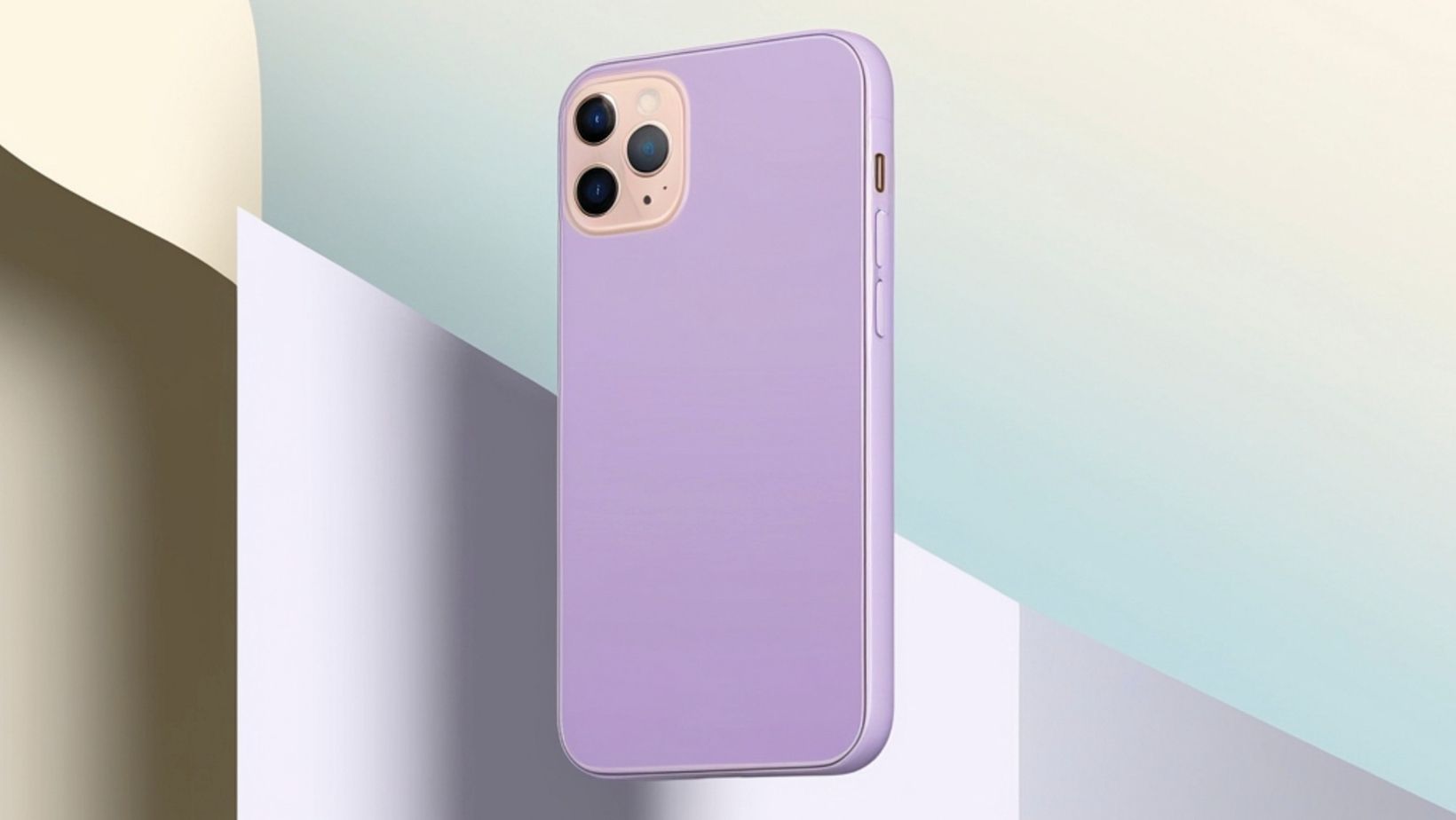
So, instead of preparing for worst-case scenarios, many are choosing setups that feel better every day. That shift in behavior is a big reason thinner cases are becoming more common.
Why the Thin Phone Case Is Gaining Popularity
A thin phone case offers a different balance – one that prioritizes usability without sacrificing protection. You’ll benefit from:
- Closer to the original feel – Keeps the phone slim and easier to handle
- Lighter for daily use – Less noticeable in pockets or small bags
- Practical protection – Covers scratches and minor drops
- Better for accessories – Works more naturally with magnetic add-ons
Thin cases still handle the kind of wear most phones actually see – scratches from daily use, the occasional short drop, and keeping the camera from hitting flat surfaces directly.
This trend is showing up in the market data as well. According to Research and Markets, the phone case market is expanding alongside trends like lightweight designs, new materials, and multi-functional accessories – reinforcing why slimmer options are becoming more common.
The Role of Magnetic Ecosystems
Another reason thin cases are getting more attention is the rise of magnetic accessories. These have turned phones into more flexible, modular tools that adapt to different situations throughout the day. In fact, according to this report, the MagSafe accessory market continues to grow as more users adopt magnetic add-ons for everyday use.
Thin cases tend to work better in this setup. With less material between the phone and the accessory, magnetic connections feel more stable and consistent. Wireless charging can also be more reliable when there’s less interference.
Moreover, instead of carrying everything all the time, users can add functionality only when they need it – and remove it just as easily.
When a Thin Phone Case Makes the Most Sense
Thin cases aren’t meant to replace rugged protection. But for everyday use, they make sense for a lot of people.
They’re a good fit for users who prioritize comfort, portability, and a clean design. They also work well for those who prefer a lighter setup, especially when paired with magnetic accessories.
For more demanding environments (like construction or outdoor work) a thicker case is still the safer option. Therefore, it really comes down to how the phone is used on a daily basis.
What to Look for in a Thin Phone Case
Material is one of the biggest factors. Options like aramid fiber offer a strong but lightweight structure that holds up better than basic plastic.
Grip also matters. A thin case shouldn’t feel slippery, especially if it’s meant to be used without extra bulk. Texture and finish can make a noticeable difference here.
Fit and alignment are just as important. Buttons, ports, and camera cutouts should line up cleanly without adding unnecessary thickness. For users planning to use magnetic accessories, built-in magnets are also important.
Thin cases like Thinborne combine these features while keeping the profile minimal, which shows how much phone protection has evolved.
Final Thoughts
The move toward thinner cases isn’t about giving up protection. It’s about choosing a level of protection that matches how phones are actually used.
For many people, a thin phone case strikes a more practical balance – keeping the phone comfortable, functional, and easy to carry, while still handling everyday wear.
In 2026, that shift is becoming more obvious. People aren’t just protecting their phones anymore – they’re choosing how they want them to feel every day.