

For enterprises, manually handling financial consolidation can be stressful and chaotic. As organizations scale and acquire new subsidiaries and expand into different markets, integrating financial data from multiple sources can become complex. Traditional consolidation methods using spreadsheets and other documents can be difficult for modern businesses. However, with financial consolidation software, businesses can address these challenges by automating the entire consolidation process. From data collection to final reporting, advanced software automated the complete cycle, increasing speed, accuracy, and efficiency in the consolidation process. Moreover, it provides real-time visibility into financial performances and allows staff to focus on analytical tasks rather than spending hours trying to sort large datasets.
This blog explores how modern consolidation software can be a game-changer for businesses willing to stay up-to-date financially.
Automated data collection and integration
Automated consolidation software gives businesses an edge over rivals using outdated manual processes with automated collection and integration of financial data from multiple sources. Hence, the staff no longer have to manually collate spreadsheets from different business units. The software directly fetches data from different accounting systems, ERPs, and other financial applications.
This level of automation eliminates the delays and errors that are typical of manual data collection procedures. Subsidiary controllers, hence, no longer need to export data, format it correctly, and email it to corporate finance. The system handles all of this on its own with the help of automated processes, which ensure that data is consistently collected on schedule.
With automated integration, data can also flow seamlessly between systems without the need for manual intervention. When accounting personnel post journal entries in a subsidiary’s system, the information can automatically travel into the considerable platform. Thus, companies can get real-time visibility into their financial performance. This leads to a much faster and error-free close process, where businesses do not have to depend on individual members completing their separate tasks on time.
Eliminating manual consolidation processes
Traditional consolidation processes feature myriad manual tasks that can take up a lot of time and expose financial data to errors. Automated consolidation software saves hours for accounting teams by automating routine, repetitive tasks, which can include currency translation, intercompany eliminations, and consolidation adjustments. Based on pre-defined rules and current exchange rates, automated software can complete currency translation within moments, handling diverse currencies and translation methods for different kinds of accounts. Similarly, the automated system identifies matching transactions between entities and creates the appropriate elimination entries for intercompany elimination. This significantly brings down the margin of error.
With pre-defined logic or workflow processes, automated software can route non-routine adjustments to the appropriate reviewers for approval. It maintains control while also eliminating bottlenecks in the closing process. Advanced software for financial consolidation cuts close cycles by 50-70%. This software does more than just speed things up. It reshapes how close cycles are managed. Instead of teams chasing data across spreadsheets and emails, the system brings everything into one controlled workflow with real-time visibility. Less back-and-forth, fewer manual checks, and quicker validations.
In practice, this means finance teams can move from reactive reporting to actually reviewing and interpreting numbers. Deadlines feel less compressed, and the pressure around month-end reduces in a noticeable way. Over time, this shift tends to improve both accuracy and decision-making, not just speed.
Built-in controls for improved accuracy
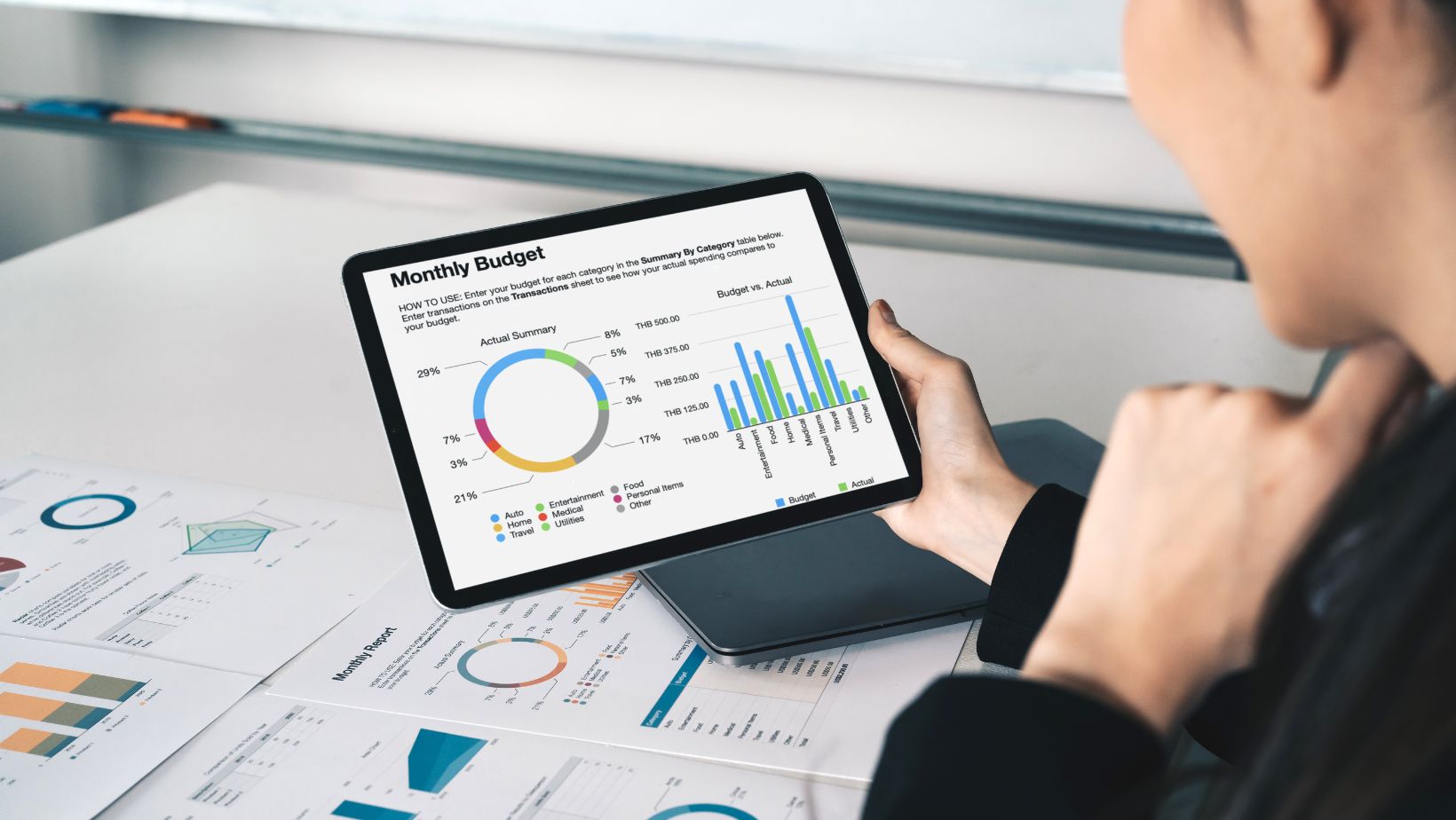
Advanced software for financial consolidation features sophisticated controls and validation rules, which can help to ensure accuracy at every step of the consolidation process. These controls can catch errors early in the process, when it is easier to solve them, and will not lead to major losses. Balanced validation rules can automatically check that debits are equaling credits, cash flow statements are tied to balance sheet changes, and different account relationships are properly maintained. The system will flag inconsistencies for review as and when they are found, before allowing the consolidation to proceed.
Data quality checks can verify that submitted information meets predefined standards for completeness and accuracy. Missing data, unusual balances, or inconsistent account mappings will be identified automatically, which allows faster and easier resolution of issues.
Regulatory compliance and audit support
As transactions get more varied and completed through different channels, regulatory requirements also keep on increasing in complexity. Financial consolidation software helps to ensure compliance by maintaining detailed audit trails and supporting various standards for reporting.
Capabilities for securing audit trails mean every change made during the consolidation process gets tracked, which provides complete documentation of how the final numbers were derived. This is essential for both internal and external audit purposes.
Advanced software for financial consolidation can simultaneously support multiple reporting standards, which allows organizations to produce different formats of reports from the same underlying data. This eliminates the need to maintain parallel consolidation processes for different reporting requirements.
Conclusion
Modern software for financial consolidation helps businesses to move from scattered manual data handling processes to centralized, streamlined, and intelligent consolidation cycles. They automate routine data collection, reduce manual tasks, ensure accuracy, and support compliance for businesses to gain faster insights and better control over financial performance.