
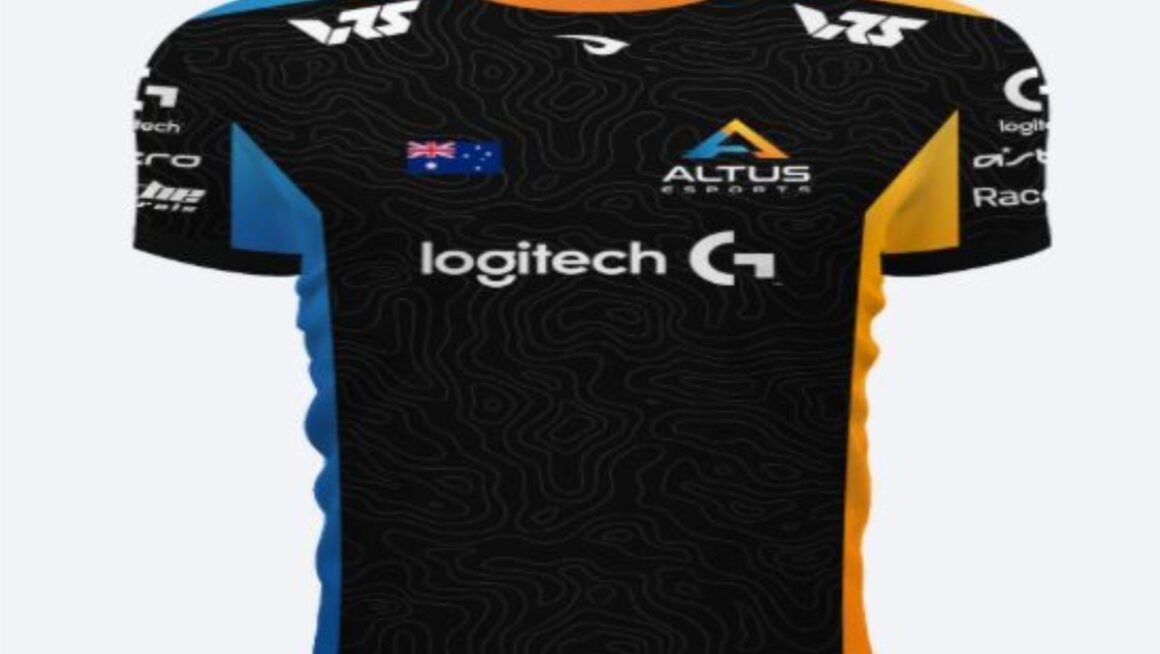
Sponsorship has become one of the key forces shaping the modern esports ecosystem. Beyond providing financial stability, sponsors directly influence how teams look, communicate, and present themselves to fans. In disciplines like CS2, where visual branding plays a crucial role in fan recognition, sponsorship agreements often determine everything from jersey design to social media aesthetics.
Modern esports teams are no longer just competitive units; they are full-scale brands operating in a global digital environment. As investments grow and partnerships expand, the visual identity of organizations evolves in response to commercial expectations. This transformation is especially visible in top-tier tournaments, where brand exposure is inseparable from competitive success.
Sponsorship and Jersey Design: From Logos to Identity
The most obvious way sponsorship affects modern teams is through jersey design. In traditional sports, sponsor logos have long been integrated into uniforms, and esports has adopted this model. Today, CS2 teams often display multiple partner logos across their shirts, sleeves, and even player chairs during tournaments.
However, this is not simply about adding branding elements. Sponsorship agreements frequently define color palettes, placement rules, and even material choices. A technology partner may require prominent positioning on the chest, while a betting or hardware sponsor might negotiate sleeve placement. As a result, the final look of a team uniform becomes a collaborative product between designers and commercial partners.
In the competitive CS2 scene, where discussions about rankings and performance often reference platforms that track the most successful cs 2 teams overall on resources like egamersworld, visual consistency is closely tied to reputation. Fans associate certain colors and sponsor combinations with championship-winning lineups, reinforcing brand identity across tournaments. Removing or changing a major sponsor can significantly alter how a team is perceived, even if the roster remains strong.
Beyond visibility, sponsorship influences fabric quality and production standards. Premium partners often push for higher-quality apparel to align with their own brand image. This leads to more refined, minimalist designs compared to the early days of esports, when jerseys were overloaded with logos and lacked cohesive structure.
Branding Beyond the Jersey: Social Media and Digital Assets
Sponsorship impact extends far beyond physical uniforms. In modern esports, digital presence is equally important. Teams invest heavily in visual consistency across Twitter, YouTube, Twitch, and other platforms. Sponsors expect integration into overlays, stream panels, highlight videos, and announcement graphics.
When a major CS2 organization signs a new partner, the change is often reflected in rebranded banners, updated profile headers, and redesigned broadcast layouts. This is not accidental. Contracts typically specify minimum exposure requirements, meaning sponsors must appear in a certain percentage of content.
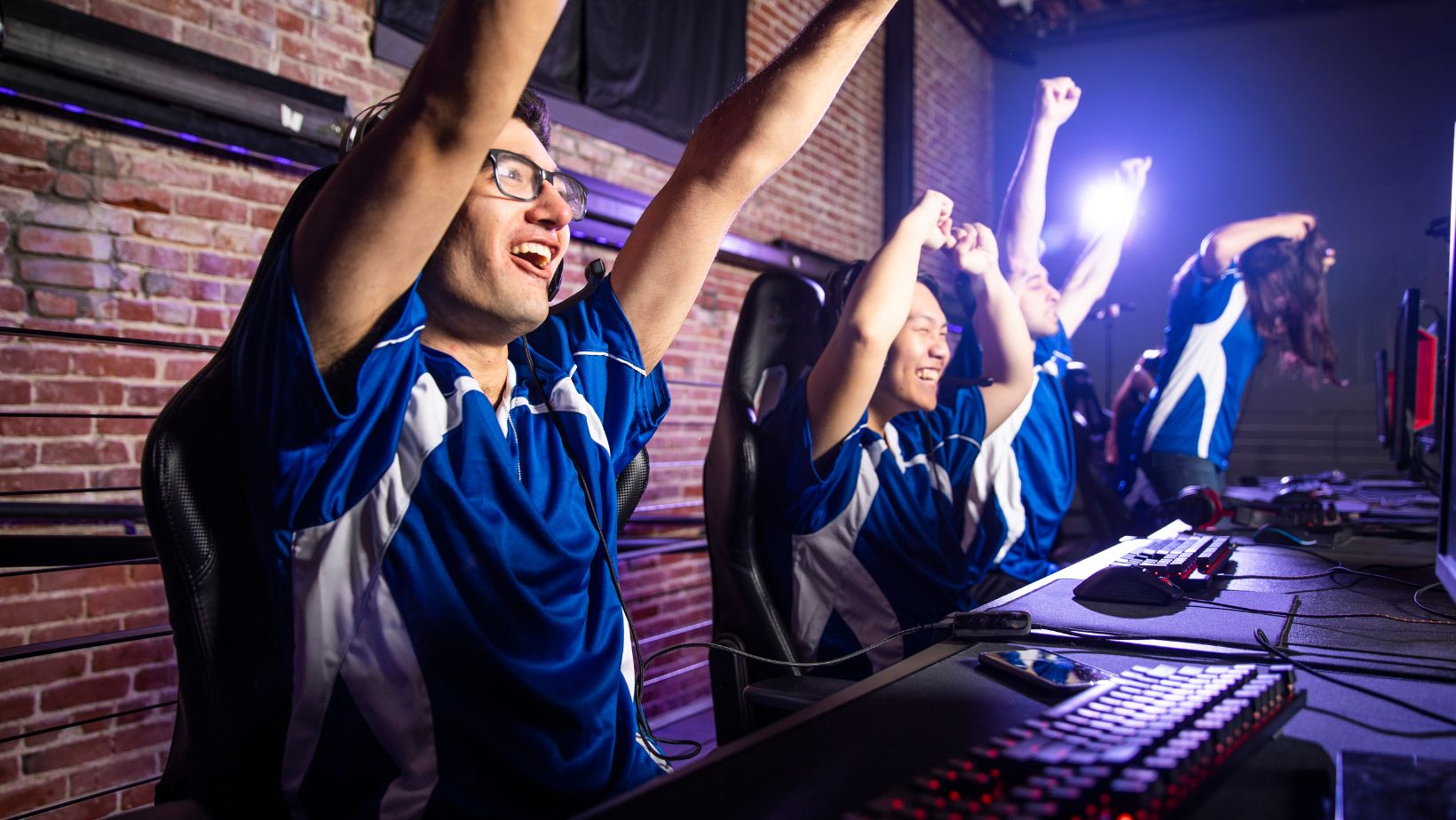
As a result, the visual identity of teams evolves in cycles. Each new partnership may trigger subtle changes in typography, animation style, and color grading. Over time, these shifts reshape how fans recognize and emotionally connect with the organization.
At the same time, teams must balance commercial demands with authenticity. Excessive sponsor visibility can alienate audiences who value organic content. Therefore, modern esports branding strategies aim for integration rather than intrusion, blending partner logos into storytelling instead of simply placing them on screen.
Stage Presence and Event Production
Major tournaments showcase another layer of sponsorship influence. Event organizers collaborate with both team sponsors and tournament partners to ensure maximum brand visibility. This affects stage lighting, background screens, player booths, and interview zones.
For example, when a CS2 team enters the stage, the lighting color often matches their primary branding. If a sponsor has naming rights to a segment or special award, it becomes integrated into the broadcast graphics. These details collectively shape the audience’s visual experience.
Sponsorship also influences how teams position themselves during media appearances. Interview backdrops typically display a grid of sponsor logos, creating a unified commercial aesthetic. Over time, this format has become standardized across esports, mirroring traditional sports press conferences.
Importantly, this level of branding consistency strengthens professionalism. Teams that maintain coherent visual identities across online platforms and live events are perceived as more stable and reliable partners. In a competitive CS2 environment, this perception can indirectly influence investor confidence and long-term growth.
Long-Term Brand Evolution and Rebranding
Sponsorship deals often serve as catalysts for full-scale rebranding. When a major investor enters the picture, teams may redesign logos, update typography, and refine their overall visual strategy. This is especially common when organizations aim to expand internationally.
A rebrand typically includes new merchandise lines, updated website design, and refreshed player visuals. Sponsors may prefer cleaner logos that integrate seamlessly into digital layouts. Consequently, modern esports aesthetics lean toward minimalism, bold geometric shapes, and adaptable color systems.
In CS2, where team identity plays a critical role in fan loyalty, such changes must be handled carefully. Sudden visual transformations can create backlash if they feel disconnected from the organization’s history. Therefore, successful rebranding projects maintain core elements while adapting to sponsor expectations.
Over time, sponsorship has shifted esports from a grassroots culture of flashy, experimental graphics to a more polished and corporate visual language. This does not necessarily mean creativity is lost. Instead, it reflects the maturation of the industry, where design decisions are guided by both artistic vision and commercial logic.
Balancing Commercial Interests and Team Authenticity
While sponsorship drives growth, it also introduces challenges. Teams must ensure that commercial obligations do not overshadow competitive identity. If branding becomes too dominant, players risk appearing as advertising platforms rather than athletes.
To avoid this, organizations carefully structure partnerships that align with their values. For example, hardware or performance-focused sponsors often integrate naturally into esports culture. In contrast, unrelated industries may require more subtle placement strategies to maintain credibility.
In the CS2 scene, where fan engagement is heavily influenced by player personalities and team narratives, authenticity remains essential. Sponsorship should enhance the brand, not replace it. The most successful organizations are those that integrate partners into their story without compromising competitive focus.
Ultimately, modern esports teams operate at the intersection of sport, entertainment, and business. Sponsorship is not merely an external addition; it is embedded into the visual DNA of contemporary organizations.
Conclusion
Sponsorship has fundamentally transformed the look of modern esports teams. From jersey design and social media branding to stage production and long-term rebranding strategies, commercial partnerships shape nearly every visual element of competitive organizations.
In CS2 and other leading esports titles, visual identity is inseparable from financial stability and global recognition. Sponsors influence color schemes, design trends, and presentation standards, pushing teams toward a more professional and cohesive aesthetic.
At the same time, successful organizations understand the importance of balance. Commercial growth must coexist with authenticity, competitive integrity, and fan trust. When managed correctly, sponsorship does not dilute team identity — it strengthens and refines it, helping modern teams stand out in an increasingly competitive global esports landscape.