

The progress made in technology, has opened new doors for the handheld gaming market. The growth coming from maturing tech has taken what once was a niche segment, defined by simple graphics and short play sessions, into an evolved and sophisticated ecosystem capable of delivering console quality experiences into the palm of the player’s hand. This evolution is a result of several converging technological forces that are reshaping how games are built, distributed, and consumed.
Maturation of Software Ecosystems and Development Tools
Software ecosystems have matured alongside hardware innovation. Operating systems designed specifically for gaming emphasize instant resume features, background updates, and unified user accounts. These features reduce friction for players and promote frequent engagement. For the developers, standardized engines and cross platform development tools have made it easier to bring titles and games to handheld devices without the need for extensive reengineering. Therefore, increasing the flow of high-quality content into a vast market.
These tools have allowed for instance, slot game developers the ability to streamline their home pages for many devices, so that players can access upcoming slots much easier and more efficiently, where they choose to play. Not only improving accessibility but shows the thought that goes into a sites management for ease of use for players.
Advancements in Processor and Chip Architecture
At the heart of this expansion, is the rapid advancement of mobile and custom chip architectures. Modern handheld gaming devices now rely on highly efficient system on chip designs that balance performance with power consumption. These processors integrate CPU, GPU, memory controllers, and AI acceleration into a single compact unit, allowing devices to render complex three-dimensional environments while maintaining acceptable battery life. Advances in semiconductor manufacturing have increased transistor density, enabling higher performance without excessive heat generation.
Improved Graphics and Rendering Capabilities
An element to gaming that makes modern gaming what it is, is the quality of graphics technology being used. Handheld devices are now able to support rendering features that were once limited to home consoles and desktop systems, including advanced shading techniques, high dynamic range visuals, and adaptive refresh rates.
The focus on improving graphics drivers and application programming interfaces has reduced processing overhead, allowing for developers to maximise their performance within the restraints of compact hardware.
Battery Efficiency and Power Management solutions
Many modern-day issues that began to occur at the beginning of the handheld device journey, was that the more advanced tech features were draining the battery within the devices faster. Therefore, battery performance plays a decisive role in competing within a growing market.
While battery chemistry has improved incrementally, major gains have come from smarter power management systems. Handheld gaming devices are now designed to dynamically adjust their performance based on real time workload demands. This results in the device conserving energy during less intensive gameplay sessions.
The modern age has also brought about the attention on battery charging time on handheld devices, which has led to faster charging capabilities. This ability to change your devices faster has resulted in enhanced usability as it reduced downtime and helps align portable gaming within the modern expectations set within other areas of the industry to help improve convenience and flexibility.
Connectivity and the Rise of Cloud Enabled Gaming
Connectivity is not always a priority with some gamers on handheld devices, but for those wanting to play online they will expect fast wireless connection. A fast and seamless connection allows for players to have better online experiences on the go.
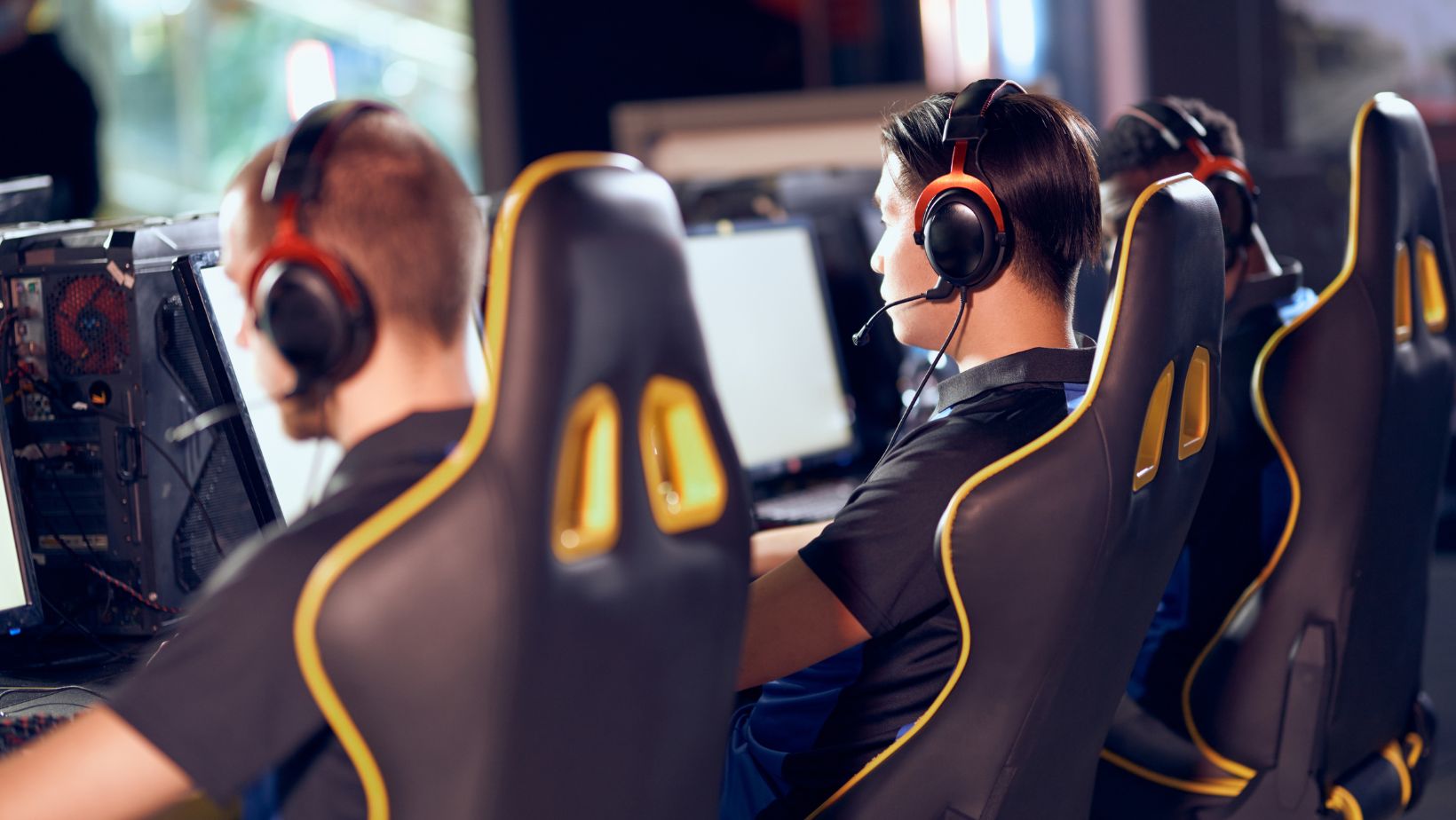
This is especially crucial for cloud synchronization. Cloud gaming services reduce reliance on local hardware by shifting processing tasks to remote servers. This allows handheld devices to access complex and graphically intensive games, expanding the addressable market and lowering barriers to entry for consumers.
Ai Integration
Artificial intelligence is setting itself up to be a defining feature in modern technological processes. AI is being used to enhance image upscaling, even to stabilize frame rates and optimize system performance dynamically. All utilised to improve the visuals quality on the handheld devices and even their responsiveness without the additional need of excessive power consumption. From a market perspective, AI driven optimization allows manufacturers to differentiate products through intelligent software enhancements rather than purely hardware specifications.
Display Technology
Along with improved graphics, the screen makes a large difference in modern handheld gaming as a higher resolution screen will offer players improved brightness settings and better colour accuracy for games. This alone will improve a gamers experience as they will be looking for the most optimal screen to play on.
User Interaction Enhancements
Many handheld devices are designed very similar, whether this is in the category of joystick gaming, button gaming or a touchscreen gaming. Refined haptic feedback systems introduce new interaction possibilities, blending traditional control schemes with tactile engagement. These sensory improvements elevate perceived device quality and strengthen long term user loyalty, as both the games being played and the console being played on make the user experience. A lagging console will ruin a gaming experience.
Collectively, technology has been a huge driver in handheld device gaming, leading to its surge in use and therefore market demand. With the number of players increasing each year, we are assured to see another technological advantage being utilised within this market.
Portable gaming devices are no longer viewed as secondary alternatives to home consoles. They are increasingly primary platforms designed for mobile lifestyles and continuous connectivity. As efficiency in processing, intelligence in software, and quality in user experience continue to advance, the handheld gaming market is positioned for sustained growth.